
Precision Ceramics Blog
Ceramic Coating Before and After Results
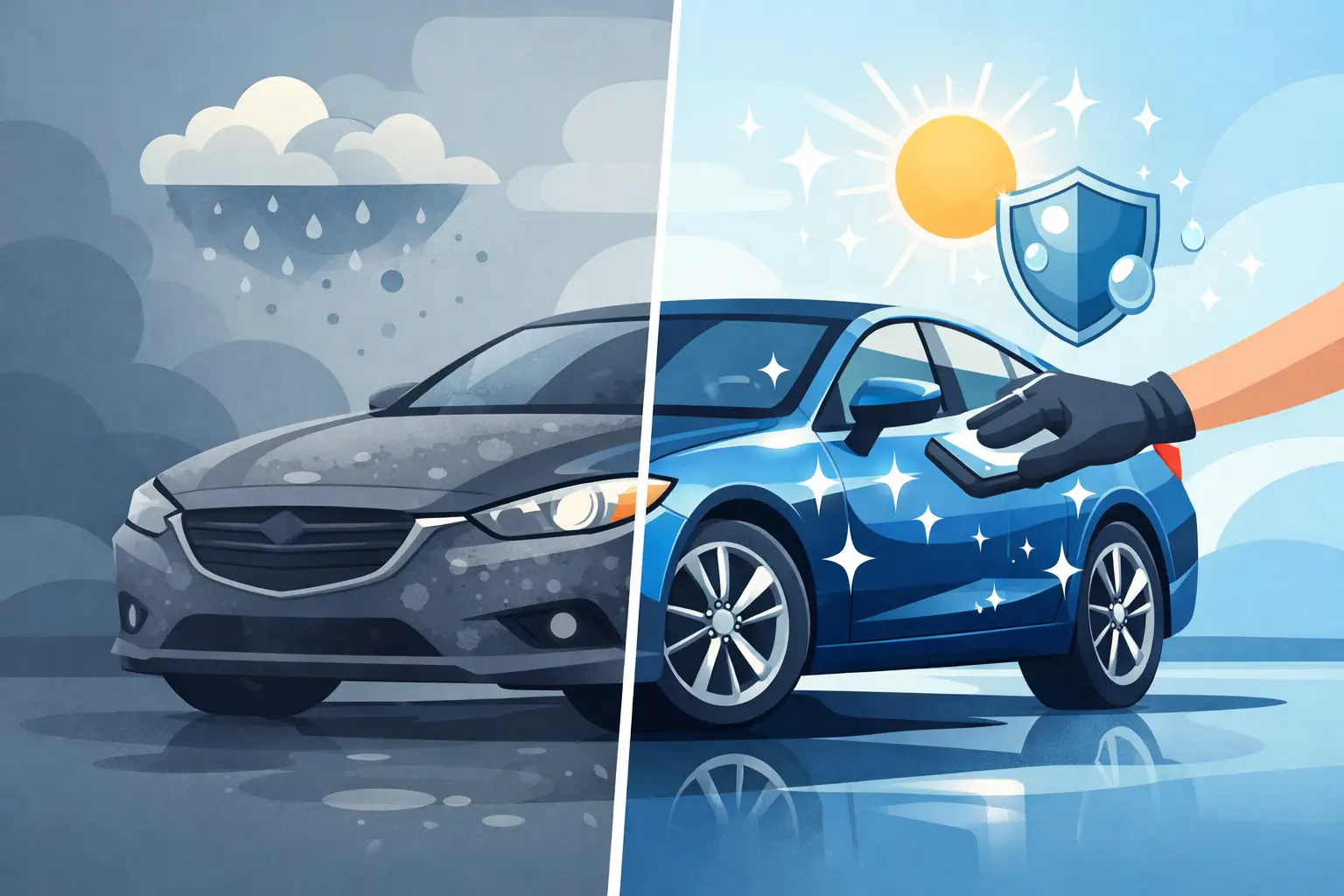
A true ceramic coating before and after is not just about a shinier hood in a photo. The real difference shows up in clarity, depth, water behavior, easier washing, and how well the finish holds its appearance month after month. When the coating is installed correctly, the paint looks sharper and feels smoother. When it is installed over poor prep, the result can look underwhelming from day one.
That is the part many owners miss. Ceramic coating does not hide defects. It locks in whatever is underneath. If the paint has swirls, oxidation, water spots, or haze, those flaws do not disappear because a coating went on top. In many cases, they become more obvious because the surface now has more gloss and reflectivity. The best before and after results come from disciplined correction and surface preparation, not from the bottle alone.
What ceramic coating before and after really looks like
Before coating, even a newer vehicle can have fine wash marring, dealership-installed swirls, light contamination, and a finish that looks flatter than it should. On older vehicles, the issues are usually more pronounced. You may see oxidation, reduced depth, embedded fallout, mineral spotting, and a rough feel across the paint.
After coating, the visual shift is usually clean and immediate. Reflections look crisper. Metallic paint tends to show more separation and sparkle. Dark colors gain more depth, while lighter colors often look brighter and cleaner rather than dramatically darker. Glass and wheels can also take on a more finished appearance when protected properly.
The tactile difference matters too. A coated surface often feels slicker and sheds water more effectively. Dirt has a harder time bonding, so maintenance becomes easier. That does not mean the vehicle stays clean forever, but it usually means washing takes less effort and the finish is less likely to degrade quickly from repeated cleaning.
The biggest change happens before the coating goes on
If you want honest ceramic coating before and after expectations, start with paint correction. This is where the transformation happens. Washing removes loose dirt. Decontamination removes bonded contamination. Correction addresses the defects that interfere with gloss and clarity.
That process can be light or extensive depending on the condition of the vehicle. A newer truck may need only a refinement polish to clean up delivery marks and bring out better gloss. An older SUV or black daily driver may require multiple polishing steps to reduce swirling, haze, and deeper defects. On neglected finishes, this phase can account for most of the labor and most of the visible improvement.
This is also where craftsmanship separates premium work from rushed work. Panel inspection, lighting, pad selection, polish choice, wipe-down procedure, and surface cleanliness all affect how the final coating performs. A coating is only as good as the substrate beneath it.
Before: common issues owners notice
The paint looks dull in full sun even though it seemed fine in the shade. Water does not bead well, and washing no longer restores the finish. Road film sticks to lower panels. Wheels stain easily. On boats, gel surfaces can lose clarity and richness from oxidation and environmental exposure. On RVs and trailers, large painted or gel-coated surfaces often show early wear simply because they face more weather and more UV exposure.
After: what improves right away
The finish has better visual definition. The surface looks more uniform. Water behavior changes quickly, with tighter beading or faster sheeting depending on the coating and the surface. Drying becomes easier because less water clings to the panel. The vehicle often looks cleaner between washes because grime releases more easily.
Those are the results owners notice first. The longer-term value is that the finish holds up better with proper maintenance.
What ceramic coating will not fix
A lot of disappointment comes from expecting the wrong thing. Ceramic coating does not remove scratches. It does not reverse rock chips. It does not stop all swirl marks forever. It does not make paint maintenance-free, and it is not a substitute for proper washing.
It also does not mean every vehicle will have the same dramatic before and after. A heavily corrected black vehicle will usually show a more striking visual jump than a well-kept white vehicle with very few defects. Both can benefit, but the type of improvement is different. One may show dramatic gloss recovery. The other may show easier maintenance and stronger long-term preservation.
That is why honest assessment matters. The right specialist will explain whether your vehicle needs correction first, how much improvement is realistic, and what level of protection makes sense for how you use it.
Why prep determines durability
Durability is often marketed as a number of years, but that number only means something if the installation is controlled properly. Surface oils left behind, incomplete decontamination, poor environmental conditions, and rushed curing can compromise performance. The coating may still be present, but it may not behave the way it should.
Professional installation is not about making the process sound complicated. It is about controlling variables. Temperature, humidity, surface condition, product selection, flash timing, leveling, and curing all influence the result. Certified training and process discipline matter because ceramic coatings are not forgiving when corners are cut.
This is especially important for owners protecting trucks, SUVs, RVs, trailers, and boats that spend serious time outdoors. If the goal is long-term preservation against UV, water spotting, contamination, and routine wear, the preparation standard has to match the investment.
Different surfaces, different before and after expectations
Paint, gel coat, glass, trim, and wheels do not all respond the same way. Painted automotive panels usually show the most obvious visual improvement after correction and coating. Gel coat on marine surfaces can also improve dramatically, particularly when oxidation has been reduced properly before protection is applied.
Glass coatings are less about shine and more about visibility and behavior in wet conditions. Wheels benefit from easier cleaning and better resistance to brake dust bonding. Exterior trim can look richer and more uniform when the right product is used, but heavily faded trim may still require restoration before protection.
That is why one-size-fits-all packages often miss the mark. A proper approach considers the material, the condition, and how the asset is used.
Is the before and after worth it on an older vehicle?
Often, yes. In fact, older vehicles can show some of the most satisfying transformations, provided the paint or gel surface still has enough material and integrity for safe correction. The key is understanding the goal. Sometimes the objective is near-showroom gloss. Other times it is to recover as much clarity as possible, protect what remains, and make ongoing maintenance easier.
For a work truck, fleet vehicle, or family SUV, that can be a smart value decision. Restoring gloss and then protecting it can materially improve appearance without stepping into repaint costs. For classic vehicles, careful correction and coating can preserve finish quality while reducing the wear that comes from frequent cleaning.
The same logic applies to RVs, trailers, and boats. Larger surfaces suffer from oxidation and exposure faster than many owners expect. A strong before and after there is not just cosmetic. It can help preserve resale value and reduce the effort required to keep exterior surfaces looking presentable.
What to ask before choosing a ceramic coating service
If you are comparing providers, focus less on the coating brand name alone and more on the process behind it. Ask what level of correction is included, how the surface is prepared, whether curing is controlled, and what kind of maintenance guidance you will receive after installation.
You should also ask how the provider handles realistic expectations. A trustworthy shop will explain what can be improved, what will remain, and why. That level of transparency matters more than exaggerated claims about hardness, permanence, or miracle protection.
At Precision Ceramics, that conversation is part of the work itself. The coating matters, but the result comes from careful inspection, correction, preparation, and disciplined installation.
The best ceramic coating before and after is the one that lasts
A dramatic first-day gloss boost is easy to appreciate. The better test is how the finish looks after months of weather, washing, sun, road grime, and real use. If the surface still cleans up easily, still looks sharp, and still has the kind of finish you are proud to walk up to, that is where ceramic coating proves its value.
The strongest results are rarely accidental. They come from matching the right level of correction and protection to the condition of the vehicle, boat, RV, or trailer in front of you. When that is done properly, the before and after is not just visible. It keeps paying off every time the light hits the surface and every time maintenance takes half the effort it used to.
Ready When You Are
Protect What You Drive
Ceramic coating, Waxoyl and Woolwax rust protection, and paint correction in Owen Sound. Get a free quote.