
Precision Ceramics Blog
Waxoyl Rust Prevention That Actually Lasts
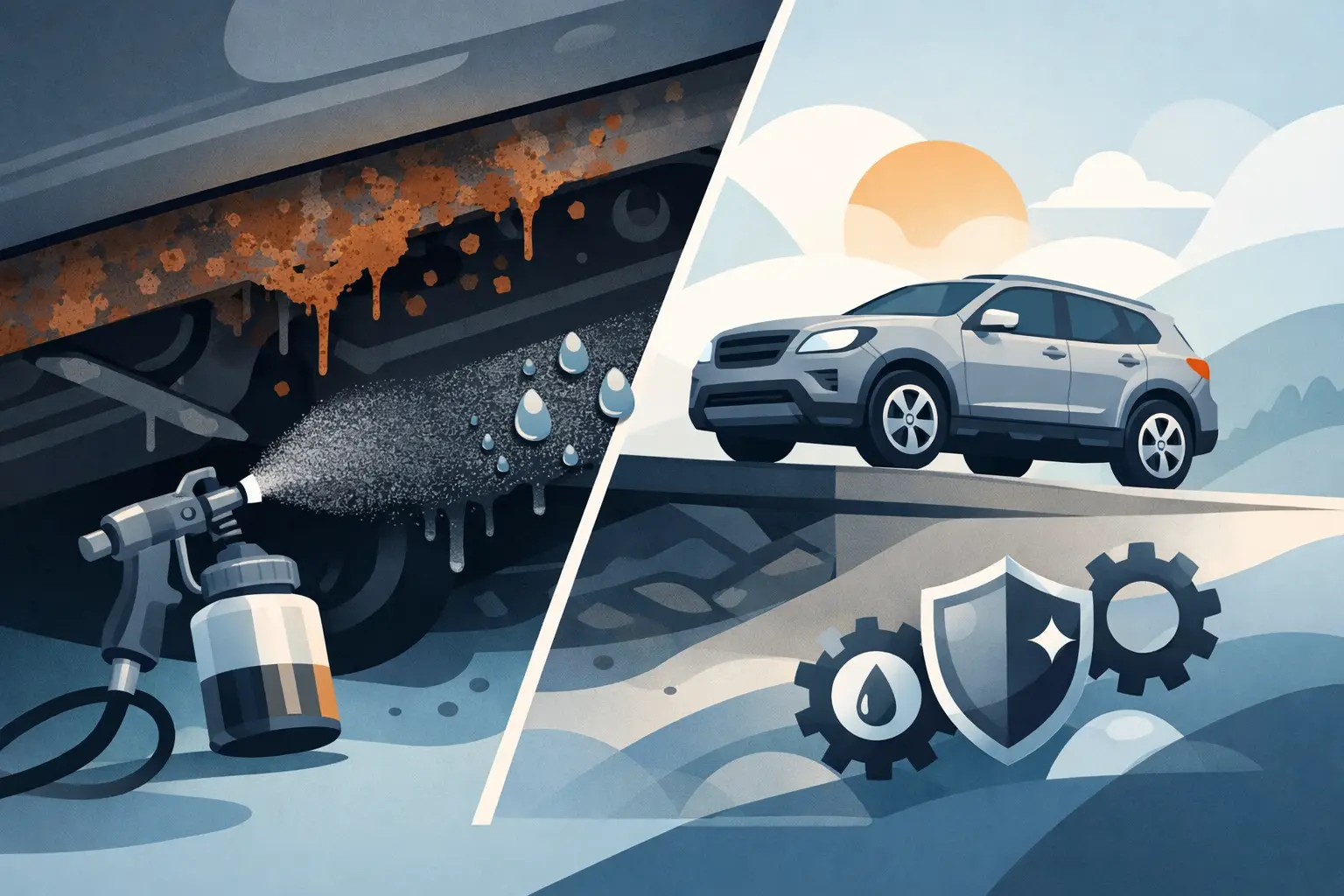
Rust rarely starts where you can see it first. It begins inside seams, along spot welds, behind panels, and underneath the vehicle where moisture, salt, and road grime stay trapped far longer than most owners realize. That is exactly why waxoyl rust prevention remains one of the smartest long-term protection steps for trucks, SUVs, daily drivers, trailers, and seasonal vehicles that face real-world weather.
For owners who plan to keep a vehicle, the question is not whether corrosion is possible. The real question is how early you address it, how thoroughly the product is applied, and whether the installer understands the difference between a quick spray and a complete protection process.
What waxoyl rust prevention is designed to do
Waxoyl is a corrosion protection system developed to protect metal surfaces from moisture and oxygen, the two elements rust needs to spread. Unlike a cosmetic dressing or a short-lived surface shine, it is intended to reach vulnerable areas and create a protective barrier that slows corrosion before it becomes structural, expensive, or visible from the outside.
That matters because modern vehicles rust from the inside out as often as they rust from direct surface exposure. Rock chips, salt spray, changing temperatures, and packed road debris all work together to wear away factory coatings over time. Once that happens, bare or weakened metal becomes vulnerable.
A proper Waxoyl treatment is not just about coating what you can easily see on a lift. It is also about accessing internal cavities, boxed frame sections, door bottoms, rocker panels, wheel wells, pinch welds, and other corrosion-prone zones where water tends to sit. Those hidden areas are where a lot of rust stories begin.
Why Waxoyl rust prevention works better than waiting
One of the biggest misconceptions around rust proofing is that owners should wait until they see a problem. In practice, visible rust usually means the process is already well underway. By the time bubbling appears around an edge or scaling starts underneath, the damage is no longer in its earliest stage.
Waxoyl rust prevention works best as a proactive service, especially on newer vehicles, newer trucks, RVs, utility trailers, and winter-driven daily drivers. When applied before corrosion takes hold, it helps preserve factory metal, supports resale value, and reduces the chance of expensive repairs later.
That said, older vehicles can still benefit. The approach simply changes. If light surface corrosion is already present, preparation becomes more important, and expectations need to be realistic. A quality rust prevention product can slow ongoing corrosion and protect remaining sound metal, but it does not reverse severe structural rust or replace damaged metal. Anyone promising that is selling hope, not protection.
Where corrosion usually starts first
In our climate, the most vulnerable areas are rarely glamorous. They are the parts that collect spray, salt, grit, and moisture every day without ever fully drying out.
Frames and subframes take a constant beating. So do suspension mounting points, brake and fuel line mounting areas, weld seams, inner fenders, and the backside of body panels. Pickup trucks are especially prone to corrosion inside boxed frames and behind wheel arch liners. SUVs and crossovers often suffer around rocker panels and lower door seams. Trailers and RV components can deteriorate quickly because they see seasonal storage, road spray, and long periods of sitting.
Marine-adjacent use adds another layer. Even if a vehicle or trailer is not submerged, repeated exposure to damp ramps, coastal air, and stored moisture can accelerate corrosion in places owners rarely inspect.
Application quality matters more than the label
A good product is only half the equation. The other half is process discipline.
This is where many rust prevention services separate quickly. Some shops offer a fast underbody spray with limited prep and minimal access work. It may look treated when the job is done, but appearance is not the same as coverage. If critical inner cavities are missed, or if the product is sprayed over heavy contamination, long-term results suffer.
A more professional application starts with inspection. The installer needs to understand the vehicle’s condition, identify corrosion-prone areas, note existing rust, and choose the right product placement for exposed surfaces and enclosed sections. Surface preparation matters because mud, oily residue, heavy scale, and packed debris interfere with adhesion and penetration.
From there, the treatment should be applied methodically, not casually. Different areas call for different spray patterns, wand access, and coating behavior. Internal cavities require the right equipment to distribute product evenly rather than flooding one spot and missing another. Exposed underbody sections need coverage without coating inappropriate components or creating unnecessary mess.
That level of care is why certified product knowledge matters. A trained installer understands not only where Waxoyl belongs, but also where it does not.
New vehicle vs older vehicle – the right expectations
If your vehicle is new or nearly new, this is the ideal stage for Waxoyl. The metal is still clean, the factory protection is still intact in most areas, and there is very little active corrosion to manage. In that situation, rust prevention is truly preventive.
If the vehicle is older, the value is still there, but the conversation becomes more nuanced. Light oxidation and early surface rust can often be stabilized and protected. Heavier rust may require additional preparation, and some areas may already be beyond what a protective coating alone can solve. That does not make treatment pointless. It simply means the goal shifts from preserving like-new metal to slowing deterioration and protecting what remains solid.
Owners appreciate straight answers here. Not every vehicle starts from the same baseline, and good service means explaining the condition honestly before work begins.
How long does Waxoyl rust prevention last?
That depends on the vehicle, the amount of winter driving, how often the undercarriage is washed, storage conditions, and how complete the initial treatment was. A truck driven daily through salted roads will have different needs than a summer vehicle stored in a dry garage.
In general, rust prevention should be treated as an ongoing maintenance service, not a one-time lifetime claim. Annual inspections are the smart approach. Some vehicles need touch-ups in high-impact areas sooner than others. The benefit of routine evaluation is that small gaps in protection can be addressed before they become larger corrosion issues.
This is also why we favor a preservation mindset over a sales pitch. Long-term protection is built through proper initial coverage, realistic maintenance intervals, and a willingness to recheck vulnerable areas as the vehicle ages.
Is Waxoyl the right choice for every owner?
For most drivers who care about keeping a vehicle beyond the short term, yes, it makes sense. It is especially valuable for trucks, work vehicles, family SUVs, classic vehicles, trailers, and RVs that face road salt or seasonal storage. If you plan to trade a vehicle quickly, the value calculation changes a bit, though rust prevention can still help preserve condition and resale appeal.
The strongest fit is for owners who see their vehicle as an asset worth protecting rather than something disposable. Those are usually the same people who understand that appearance and structure go hand in hand. Gloss and paint correction matter, but underneath the vehicle, corrosion control is what keeps the investment solid.
In areas like Owen Sound and the surrounding region, where weather, moisture, and winter roads put vehicles under real stress, rust prevention is not an overcautious add-on. It is practical maintenance.
Choosing a shop for waxoyl rust prevention
Look past the simple promise that a vehicle will be sprayed. Ask how the vehicle is inspected first, what preparation is performed, which hidden areas are accessed, and how existing rust is handled. Ask whether the installer has actual product training and whether the service is built around preservation or speed.
That difference shows up over time. A rushed job can leave you with overspray, missed cavities, and a false sense of security. A careful job gives you something much more valuable – a vehicle that stands a far better chance against years of corrosion.
At Precision Ceramics, that distinction matters because craftsmanship matters. The goal is not to make the underside look freshly coated for a week. The goal is to protect vulnerable metal properly, with the kind of methodical work that holds up under real use.
If you want your vehicle, trailer, or RV to age on your terms instead of the road’s, rust prevention is one of the smartest decisions you can make early. The best time to deal with corrosion is before it introduces itself.

Ready When You Are
Protect What You Drive
Ceramic coating, Waxoyl and Woolwax rust protection, and paint correction in Owen Sound. Get a free quote.