
Precision Ceramics Blog
Woolwax Rust Prevention: What It Does Best
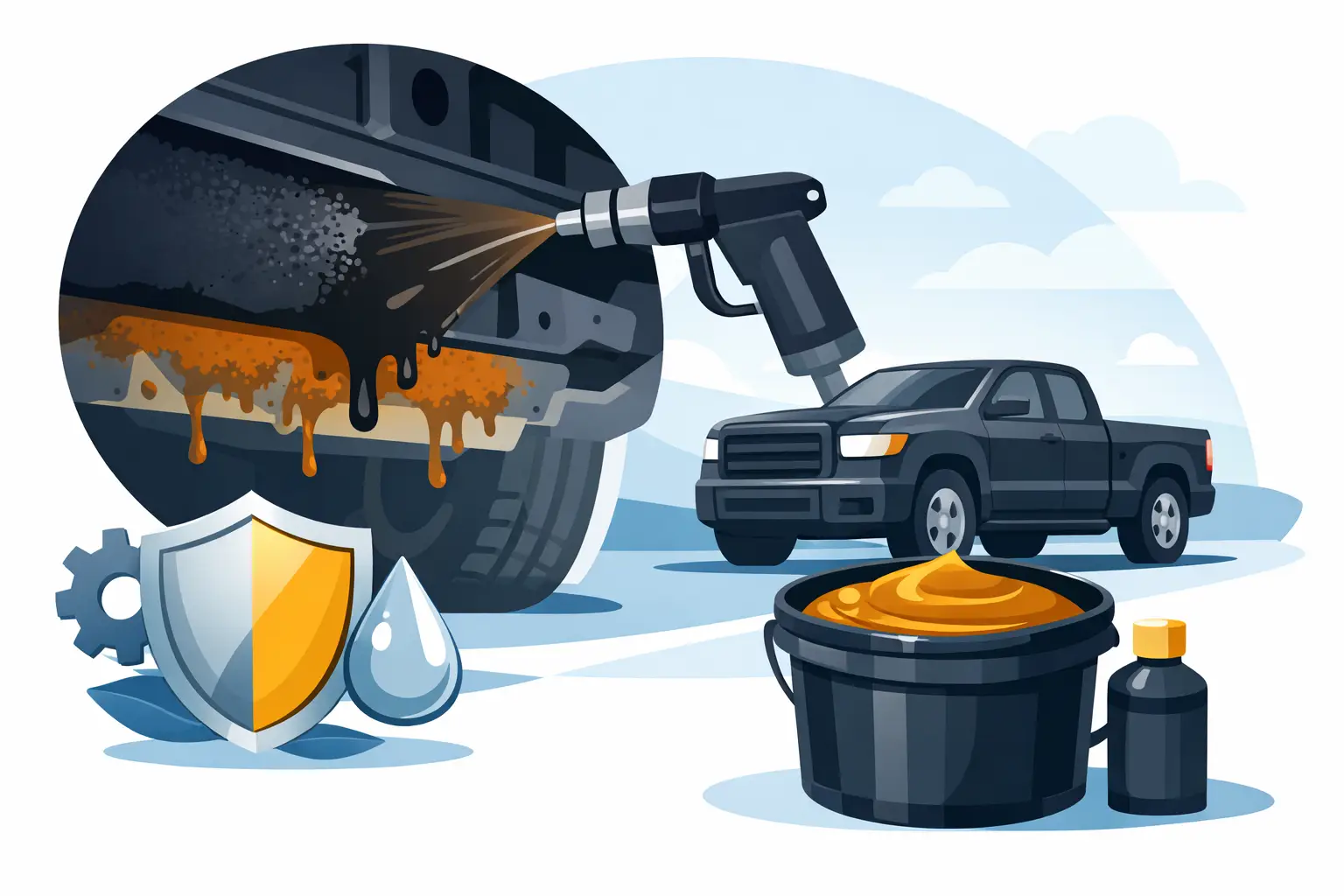
If you have ever looked under a truck after one Ontario winter and seen flaky scale starting on the frame, brake line rust blooming, or surface corrosion creeping into seams, you already understand why woolwax rust prevention matters. Rust does not wait for a vehicle to get old. It starts wherever moisture, salt, and oxygen find bare or vulnerable metal, and once it takes hold, the repair bill usually arrives long after the warning signs were easy to miss.
For owners who want to preserve a truck, SUV, trailer, RV, or boat trailer for the long haul, Woolwax has earned attention for one simple reason – it is built around real-world corrosion control, not cosmetic shine. It is a lanolin-based rust inhibitor designed to stay in place, creep into seams, and keep moisture and salt away from metal surfaces that take the worst abuse.
How woolwax rust prevention works
Woolwax is not a hard coating that dries into a brittle shell. That distinction matters. In rust prevention, hard coatings can fail when they chip, crack, or lift from the substrate. Once that happens, moisture gets trapped underneath, and corrosion can spread out of sight.
Woolwax works differently. It remains soft and self-healing, which allows it to keep covering metal even as the vehicle flexes, vibrates, and faces changing temperatures. Its lanolin-rich formula is thick enough to resist wash-off better than lighter spray products, but it still has the ability to creep into overlaps, seams, welds, and cavities where rust usually starts.
That creeping action is one of the biggest reasons professionals use it on frames, rocker cavities, inside body panels, crossmembers, underbodies, and trailer structures. Rust rarely begins on broad, open surfaces first. More often, it starts in pinch welds, inside boxed steel, around brackets, and in areas where road brine sits and stays wet. A product that can migrate into those spaces has a real advantage.
Where Woolwax performs best
Woolwax rust prevention is especially effective on vehicles and equipment exposed to repeated moisture and salt. That includes daily driven trucks, family SUVs, work vans, utility trailers, RVs, boat trailers, and seasonal vehicles that sit for stretches and then return to harsh conditions.
In our climate, roads are treated aggressively through winter, and that creates a perfect storm for corrosion. Salt lowers the freezing point of water, but it also accelerates electrochemical reactions on steel. Add slush, packed snow, and repeated wet-dry cycles, and metal never gets much of a break. Woolwax helps by creating a moisture-displacing barrier that stays active instead of drying up and disappearing.
It is also a strong fit for owners who plan to keep their vehicles for many years. Rust prevention is rarely about what the underside looks like next month. It is about protecting structural components, preserving serviceability, avoiding seized hardware, slowing line and bracket deterioration, and maintaining value over time. The best rust proofing work is often appreciated most five or ten years later.
What makes Woolwax different from thinner sprays
Not all oil-based rust inhibitors behave the same way. Some products are very thin. They creep well at first, but they can also drip excessively, wash away faster, or require more frequent attention in high-exposure areas. Woolwax is noticeably thicker, and that thickness is part of its appeal.
A heavier-bodied coating tends to stay on frames, suspension mounting areas, seams, and exposed undercarriage surfaces longer. That does not mean thicker is always better in every application. On some jobs, access, cavity design, and existing corrosion levels affect which product or spray method makes the most sense. But for many owners, Woolwax hits a strong balance between penetration and staying power.
Another difference is that it does not rely on turning hard to be effective. For underbody protection, flexibility is often a benefit. A soft-film product can continue protecting after road debris, vibration, and weather would have compromised a more rigid layer.
Woolwax rust prevention on new versus older vehicles
A newer vehicle is the easiest place to see the value of Woolwax. When the metal is still clean and corrosion is minimal, the product can be applied as a preventative barrier before salt and moisture start doing damage. This is the ideal scenario because preserving healthy metal is always more effective than trying to rescue neglected metal later.
That said, older vehicles can still benefit. If there is already surface rust present, Woolwax can help slow further progression by isolating affected areas from moisture and oxygen. It is not a magic eraser. It will not reverse heavy scale, repair perforation, or replace structural restoration. But on a sound vehicle with early to moderate corrosion, the right preparation and annual maintenance can make a meaningful difference.
This is where process matters. A professional application is not just about spraying product everywhere and hoping for the best. The underside needs to be evaluated. Existing buildup, heavy mud, or loose scaling should be addressed appropriately. Drain points and sensitive areas need attention. Coverage should be deliberate, including cavities and known rust-prone zones, not just the surfaces you can see at a glance.
Why application quality matters as much as the product
The product gets the attention, but the workmanship determines the result. Proper woolwax rust prevention depends on access, prep, spray pattern control, and knowing where corrosion starts on different vehicle types.
A pickup truck does not have the same trouble spots as a travel trailer. An SUV with plastic shielding needs a different approach than a boat trailer with open exposure and repeated freshwater or saltwater contact. The technician has to understand where to apply, where to avoid overloading, and how to reach enclosed sections effectively.
Professional-grade equipment also makes a difference. Cavity wands, extension tools, and controlled spray methods help get material into doors, rocker areas, frame rails, tailgates, crossmembers, and other enclosed structures. That hidden coverage is where long-term protection is often won or lost.
At Precision Ceramics, that process discipline is part of the value. Certified product knowledge is useful, but what customers really benefit from is careful execution – clean prep standards, thoughtful application, and the kind of attention that treats rust prevention as preservation work, not a rushed add-on.
What Woolwax does not do
A good rust prevention conversation should include limits. Woolwax is excellent at slowing and preventing corrosion, but it is not permanent. It needs maintenance. Annual inspection and reapplication are the standard expectation for vehicles exposed to winter roads, heavy rain, launch ramps, gravel roads, or commercial use.
It also does not replace proper mechanical repair. If brake lines, mounts, or structural areas are already compromised, those issues need to be corrected first. Rust prevention works best when it is part of a long-term protection plan, not a shortcut around existing damage.
Some owners also prefer a perfectly dry underside. Woolwax is not that kind of product. Because it stays active and film-like, it has a more functional look than a cosmetic one. For serious corrosion control, that is usually a worthwhile trade-off.
Is woolwax rust prevention worth it?
For most owners who care about long-term preservation, yes. The cost of annual protection is modest compared with the cost of rust-related repairs, premature depreciation, seized fasteners, corroded lines, and structural deterioration. This is especially true for trucks, trailers, and RVs that are expensive to replace and often kept well beyond the basic warranty period.
The bigger question is not whether rust prevention is worth doing. It is whether it is being done thoroughly enough to matter. A careful Woolwax application can help protect what you already invested in. A rushed, incomplete job may leave the exact places that fail first exposed.
If you plan to keep your vehicle, trailer, or RV, rust prevention is not overthinking. It is basic preservation. The smartest time to start is before corrosion becomes obvious, because metal remembers every winter even when the damage is still out of sight.
Ready When You Are
Protect What You Drive
Ceramic coating, Waxoyl and Woolwax rust protection, and paint correction in Owen Sound. Get a free quote.