
Precision Ceramics Blog
Classic Car Paint Preservation That Lasts
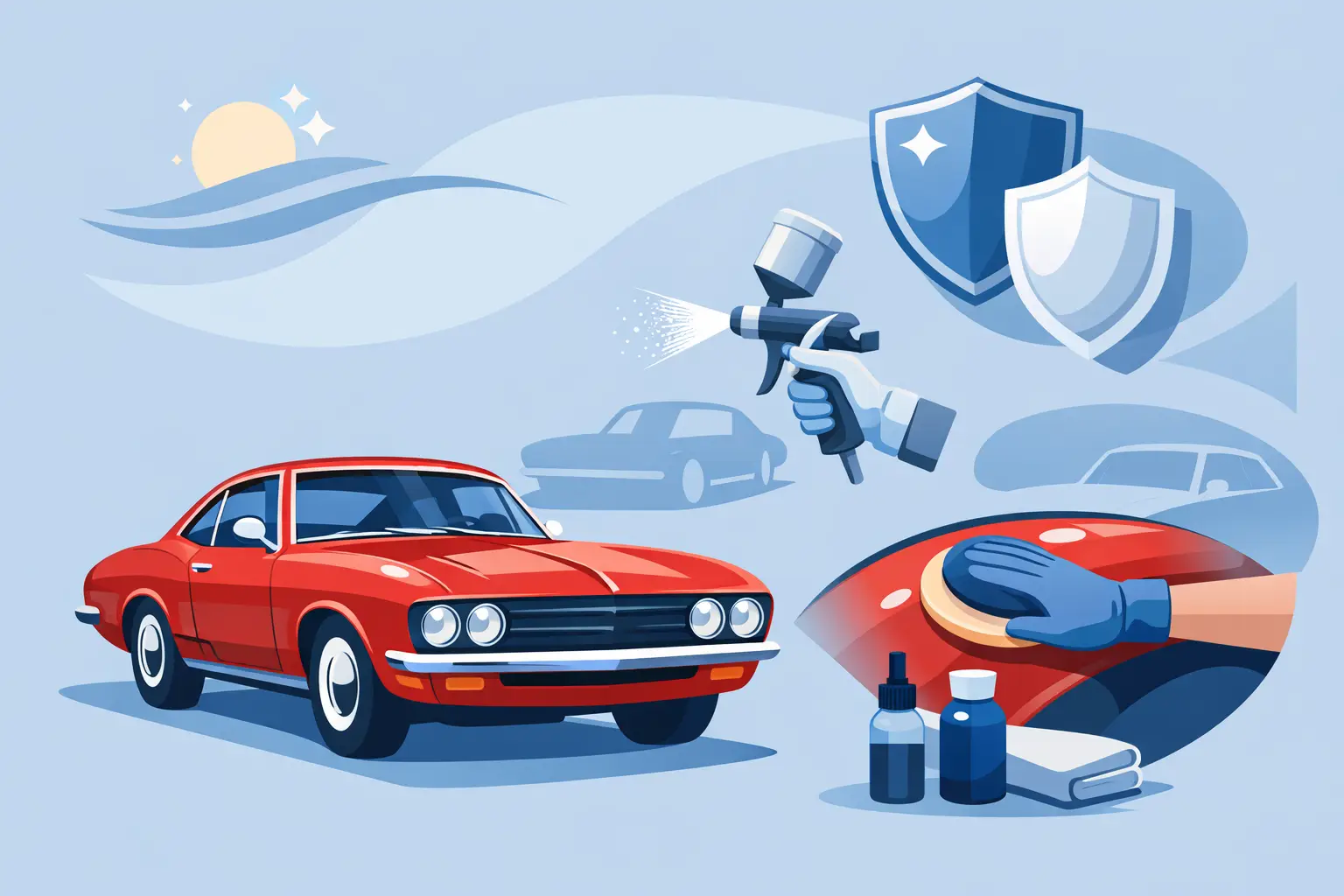
A classic car can wear forty or fifty years of history in a few mils of paint. That is what makes classic car paint preservation different from routine detailing on a newer vehicle. You are not just chasing gloss. You are protecting originality, managing fragile materials, and making careful decisions that cannot be undone once too much paint is removed.
For owners who care about long-term value, the goal is simple – keep the finish stable, clean, and protected without overworking it. That sounds straightforward until you factor in single-stage paint, older resprays, lacquer, enamel, thin edges, checking, oxidation, and decades of previous polishing. Preservation is a discipline, not a quick service.
What classic car paint preservation really means
On a newer vehicle, paint enhancement often starts with the assumption that defects can be corrected aggressively if needed. With a classic, that assumption can be costly. Many vintage finishes have already been polished multiple times, and some original paints are far thinner or softer than modern systems. Even when the paint looks tired, the safest path is not always the most aggressive one.
Classic car paint preservation means evaluating what is there before touching a machine to the surface. Is the finish original or resprayed? Is it single-stage or base coat clear coat? Are there signs of solvent pop, checking, crow’s feet, edge burn, or old bodywork? Does the oxidation sit on the surface, or has the paint already degraded beyond what polishing can safely improve?
Those questions matter because preservation is about restraint. Sometimes a measured one-step correction is appropriate. Sometimes the right answer is a careful wash, decontamination, glaze or wax strategy, and ongoing protection with minimal cut. Owners usually appreciate this once they understand the trade-off – a little less defect removal can mean a lot more life left in the paint.
Why older automotive paint fails faster
Classic cars face the same environmental threats as modern vehicles, but older paint systems have less margin for abuse. UV exposure breaks down binders. Heat cycles dry out the finish. Contaminants sit longer on horizontal panels. Improper covers trap moisture and friction into the surface. Even enthusiastic washing can cause damage if the paint has become porous or brittle.
Storage conditions often separate well-preserved classics from tired ones. A garage helps, but not every garage protects equally. A damp, unventilated building can invite corrosion and surface deterioration, while constant temperature swings create condensation problems. If a car is stored for long periods, dust accumulation and casual wipe-downs can also do more harm than owners expect.
Then there is product misuse. Heavy compounds, cleaner waxes with more bite than advertised, and repeated polishing sessions can thin an already vulnerable finish. The damage is rarely dramatic in one visit. It builds slowly until edges fade, body lines soften, and the paint loses the depth that made the car special in the first place.
Start with inspection, not assumptions
The most important part of preserving a classic finish happens before correction begins. Paint depth readings, visual inspection under proper lighting, and a realistic conversation about goals set the tone for the entire job. A show-level refinish and an original survivor should not be treated the same way.
If the vehicle still wears original paint, preserving character often matters more than making it look artificially perfect. Small flaws may be part of the car’s story. If it has been repainted, the strategy depends on the quality and age of that work. Some older resprays respond well to refinement. Others reveal swelling, dieback, or hidden defects once you start chasing gloss.
This is where experienced process control matters. Certified, professional-grade correction is not just about owning better polishers or compounds. It is about knowing when to stop, where to reduce pressure, which pads minimize unnecessary cut, and how to improve clarity while respecting the paint’s remaining thickness.
Safe correction for classic car paint preservation
Correction still has a place in classic car paint preservation. Oxidation removal, stain reduction, and gloss recovery can completely change how a vehicle presents. The difference is that correction should be conservative and intentional.
A proper approach usually starts with the least aggressive test spot possible. That reveals how the paint behaves before the rest of the car is touched. Some single-stage paints transfer heavily to the pad but still finish beautifully. Some older clear coats haze easily and need a different pad and polish combination than a modern vehicle. In both cases, the right technician is reading the surface constantly, not following a generic formula.
There is also a point where chasing deeper defects stops making sense. Random isolated scratches, crow’s feet, etched spots, and old sanding marks may remain partially visible after preservation-focused correction. That is not failure. It is the result of respecting the paint rather than sacrificing longevity for a short-term visual win.
Protection choices – wax, sealant, or ceramic coating?
Owners of classics often ask whether wax is enough or whether a ceramic coating makes more sense. The answer depends on the paint type, vehicle use, and owner expectations.
Traditional wax still has a place, especially on collector vehicles that are garage kept, driven occasionally, and maintained carefully. It adds warmth and can be a sensible option for owners who enjoy regular upkeep. The trade-off is durability. Wax gives up protection faster in heat, repeated washing, and outdoor exposure.
Paint sealants offer longer service life and more chemical resistance than wax, which can make them practical for classics that see regular fair-weather driving. They are often a good middle ground when the owner wants more durability without committing to a coating.
Ceramic coatings can be an excellent fit when the paint is properly evaluated and prepared first. They help reduce environmental bonding, improve washability, and maintain a more stable protected surface over time. But coatings are not magic, and they are not a substitute for correction. On a classic, surface preparation is everything. Applying a coating over oxidation, embedded contamination, or unstable paint does not preserve the finish well. It locks in problems.
At Precision Ceramics, this is where meticulous prep and controlled curing matter most. A premium coating only performs as well as the correction, decontamination, and installation process behind it.
Washing and storage matter more than most owners think
A preserved finish can be damaged quickly by poor maintenance. The safest wash process uses quality wash media, proper lubrication, and disciplined drying with minimal friction. That sounds basic, but many older paints are soft enough that one careless wash routine can leave visible marring.
Water quality matters too. Hard water spotting on dark or single-stage paint can become a recurring issue, especially if the vehicle is washed in direct sun. Drying thoroughly and keeping wash chemicals appropriate for the protection already on the surface helps avoid unnecessary rework.
Storage deserves equal attention. A breathable cover may help in the right environment, but an improper cover on a dusty surface can scour paint over time. If the car is stored indoors, clean it correctly before it goes away, make sure the space stays as dry and stable as possible, and avoid the temptation to dust the surface repeatedly between drives.
When preservation becomes restoration
Not every classic finish can be preserved through light correction and protection alone. Some paints have crossed into failure – severe oxidation, peeling clear, widespread checking, or previous repairs that are no longer stable. In those cases, honesty matters. A professional should explain whether the goal is true preservation, temporary cosmetic improvement, or preparation for future refinishing.
That conversation protects owners from spending money in the wrong place. Sometimes preserving what remains is the right move for originality and value. Other times, strategic correction and protection buy time while a long-term restoration plan is developed. The key is matching the service to the condition instead of selling the most aggressive option.
The long game always wins
The best-looking classic cars five years from now are usually not the ones that were polished hardest. They are the ones that were evaluated carefully, corrected with restraint, protected properly, and maintained with discipline.
If you own a classic, think like a conservator, not just a car enthusiast. Preserve film build where you can. Protect the finish from UV, moisture, and contamination. Choose products and processes that fit the paint you actually have, not the result you saw on a modern black pickup. Patience is what keeps an old finish beautiful.
A classic car does not need to look overprocessed to look exceptional. It needs the kind of care that respects age, rewards craftsmanship, and leaves something worth admiring every time the garage door opens.
Ready When You Are
Protect What You Drive
Ceramic coating, Waxoyl and Woolwax rust protection, and paint correction in Owen Sound. Get a free quote.