Precision Ceramics Blog
Auto Paint Correction and Detailing Explained
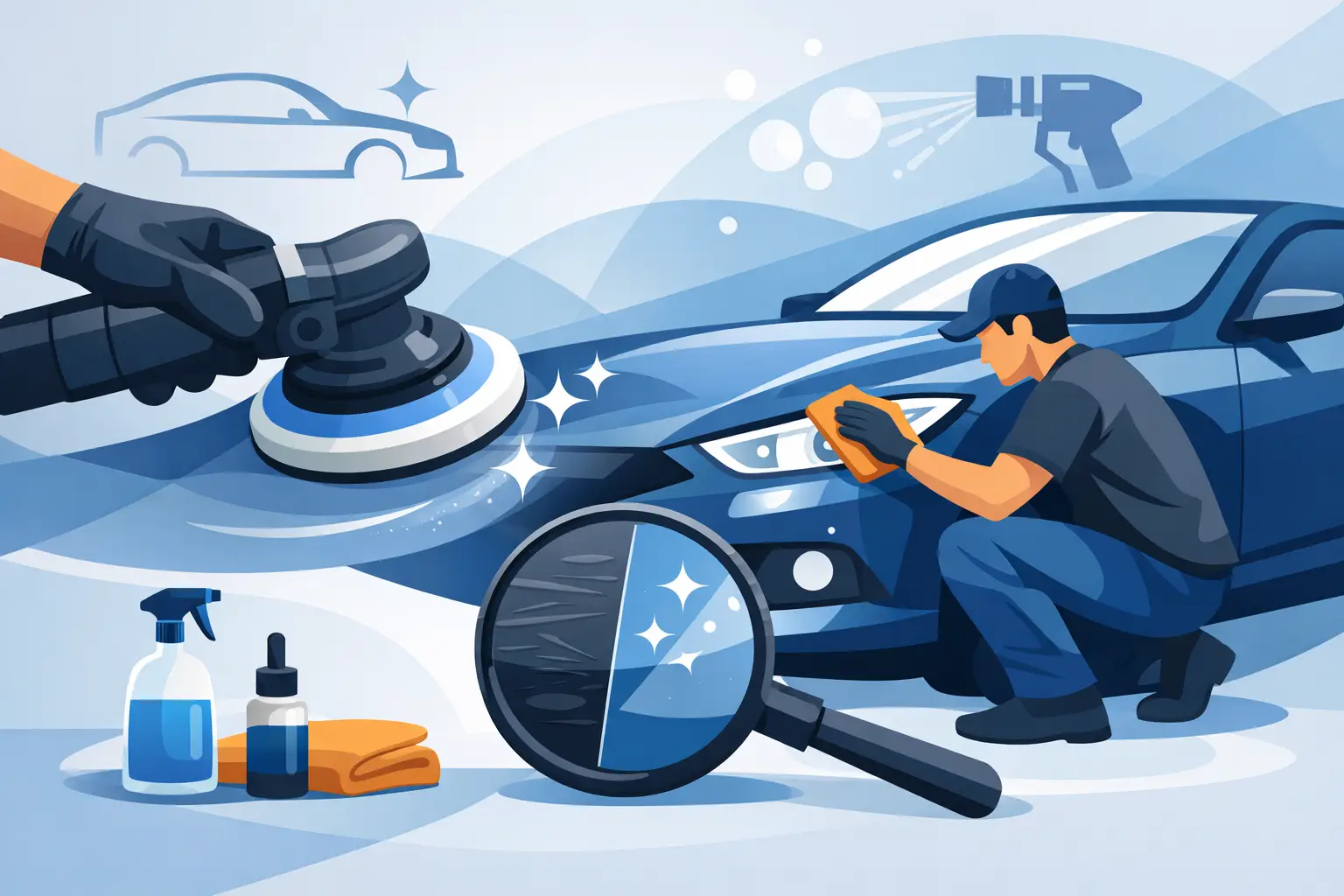
A vehicle can be freshly washed and still look tired. Under direct sun or shop lighting, the real story shows up fast – swirl marks, haze, water spot etching, light scratches, oxidation, and dullness that a basic wash or wax will never fix. That is where auto paint correction and detailing matter. Done properly, it is not a cosmetic shortcut. It is a controlled process that restores clarity, improves gloss, and prepares the surface for lasting protection.
What auto paint correction and detailing actually means
People often use these terms interchangeably, but they are not the same thing. Detailing is the broader discipline of cleaning, refining, and protecting exterior surfaces to a much higher standard than routine maintenance. Paint correction is the defect-removal side of that process. It focuses on polishing the paint to reduce or eliminate imperfections in the clear coat.
That distinction matters because not every vehicle needs the same level of correction. Some newer vehicles arrive with dealership-installed swirl marks, light marring, or poor prep work from transport and washing. Older vehicles may have deeper defects, oxidation, hard water spotting, or years of improper washing built into the finish. The right approach starts with inspection, not assumptions.
Why paint defects happen faster than most owners expect
Modern clear coat is durable, but it is not invincible. Automatic car washes, dirty wash mitts, poor drying methods, road film, winter grime, bug acids, bird droppings, and mineral-heavy water all leave their mark over time. Even a vehicle with relatively low mileage can show heavy wash-induced damage if the maintenance habits are wrong.
On trucks, SUVs, RVs, trailers, and boats, the exposure is often harsher. Larger surface areas collect more contamination. UV exposure, salt, road spray, and standing water accelerate fading, staining, and surface degradation. In areas with real winter conditions and mixed seasonal use, preserving exterior surfaces takes more than occasional wax.
The inspection stage sets the standard
Professional results begin long before a machine polisher touches the paint. A proper inspection identifies what is sitting on the surface, what is embedded in it, and what has actually damaged the clear coat. That includes checking for bonded contaminants, evaluating paint thickness where appropriate, and looking at the finish under strong lighting from multiple angles.
This is also where expectations are set honestly. Some defects can be fully corrected. Others can only be improved safely. Deep random scratches, previous body shop work, thin paint, and severe etching all require judgment. The goal is not to chase perfection at any cost. The goal is to maximize finish quality while respecting the material.
How the correction process works
Wash and decontamination come first
Before correction starts, the exterior needs to be washed and decontaminated properly. That means removing loose dirt, traffic film, iron fallout, and bonded contamination that would otherwise interfere with polishing or create more marring. If this step is rushed, the rest of the job suffers.
A polished finish is only as good as the prep beneath it. This is one of the biggest differences between premium service and quick-turn work. The visible transformation happens during polishing, but the consistency of that result depends on disciplined preparation.
Polishing removes defects by leveling the surface
Paint correction works by using machine polishers, compounds, and polishing pads to refine the clear coat. In simple terms, light defects are reduced by leveling the surrounding surface until the scratch or swirl becomes less visible or disappears. Different paints respond differently, so pad choice, machine movement, polish type, pressure, and working time all matter.
A one-step correction may be enough for a newer vehicle with moderate swirls and light haze. A multi-step correction is more appropriate when the goal is significantly higher defect removal and greater clarity. The trade-off is time, cost, and how much correction the paint can safely support. More aggressive correction is not automatically better. Smart correction is better.
Refinement is what creates depth and clarity
After heavier defect removal, the paint often needs a refining stage to maximize gloss and sharpen reflections. This is where the finish goes from simply better to truly crisp. Dark colors usually reveal this difference most dramatically, but every paint color benefits from proper refinement.
Done correctly, the finish should look cleaner, deeper, and more uniform under both direct light and normal daylight. It should not just photograph well. It should hold up under honest inspection.
Why detailing alone cannot replace correction
There is a common misconception that premium waxes, ceramic sprays, or glaze-heavy products can hide paint problems permanently. They cannot. Some products will mask defects temporarily by filling them, but once those fillers wear away, the swirls and haze return.
If the paint has visible defects, true improvement requires correction. Protection products have an important role, but they work best after the surface has been properly refined. Applying a coating over damaged paint may protect that paint, but it also locks in the defects you chose not to address.
When ceramic coating makes sense after correction
Once the paint has been corrected, it makes sense to protect the result. This is where ceramic coating often enters the conversation. A quality coating is not a substitute for correction, and it is not a force field against rock chips or careless washing. What it can do is add chemical resistance, improve ease of cleaning, reduce contamination bonding, and help preserve gloss over time.
The value of coating depends heavily on the prep work and installation standards behind it. Surface cleanliness, environmental control, product choice, flash timing, leveling, and cure management all matter. Poorly installed protection can create frustration instead of value.
For owners who plan to keep a vehicle, truck, RV, trailer, or boat looking its best, correction followed by professional-grade protection is usually the most sensible long-term path. It improves the finish now and makes maintenance easier later.
Not every vehicle needs the same level of work
This is where real expertise matters. A daily driver with moderate wash marks may benefit most from a single-stage polish and durable protection. A black luxury SUV with years of visible swirls may justify a more intensive correction plan. A classic car may require a conservative approach based on paint history. A boat or RV exposed to oxidation may need a more specialized restoration process.
The right service is not the one with the most steps on paper. It is the one that matches the condition of the surface, the owner’s expectations, and the long-term plan for that asset. Honest recommendations save customers money and protect the finish from unnecessary aggression.
What quality workmanship looks like
Professional auto paint correction and detailing should leave behind more than shine. You should see uniformity across panels, cleaner reflections, reduced defect visibility, and no rushed signs of sloppy work. Trim should be respected, edges should be handled carefully, and the finish should be checked under proper lighting rather than sent out as soon as it looks good in the shade.
This is also why certification, training, and product knowledge matter. Surface correction and protection are not guesswork. They are process-driven services. Precision Ceramics builds around that standard because long-term results depend on preparation discipline just as much as polishing skill.
How owners can protect the result
After correction, maintenance habits determine how long the finish stays sharp. Even the best correction job can be dulled by poor wash methods. The basics are simple: wash with clean media, use quality drying towels, remove contaminants promptly, and avoid harsh automated brushes. If the vehicle is coated, use maintenance methods that support the coating rather than clogging or degrading it.
For seasonal vehicles, RVs, trailers, and boats, storage conditions matter too. Outdoor exposure, standing water, tree sap, and hard water spotting can quickly undo visual gains. Protection extends the maintenance window, but it does not eliminate the need for proper care.
Is it worth it?
If you care about the finish, resale, and long-term preservation, yes – but the answer depends on expectations. Paint correction is worth it when the owner values visible improvement and wants the surface treated properly. It is especially worthwhile before applying ceramic protection, before listing a vehicle for sale, or after years of accumulated wash damage.
If the vehicle has severe physical damage, failing clear coat, or body shop issues, correction may not be the full answer. In those cases, the right professional will tell you where polishing helps and where repainting or other repair becomes the better option.
The best exterior work is never about chasing a temporary glossy look. It is about bringing the surface back to a cleaner, truer state and protecting that result with care that matches the value of the vehicle. When the process is done right, the difference is not subtle – you see it every time the light hits the paint.
Ready When You Are
Protect What You Drive
Ceramic coating, Waxoyl and Woolwax rust protection, and paint correction in Owen Sound. Get a free quote.