Precision Ceramics Blog
What an Automotive Paint Correction Specialist Does
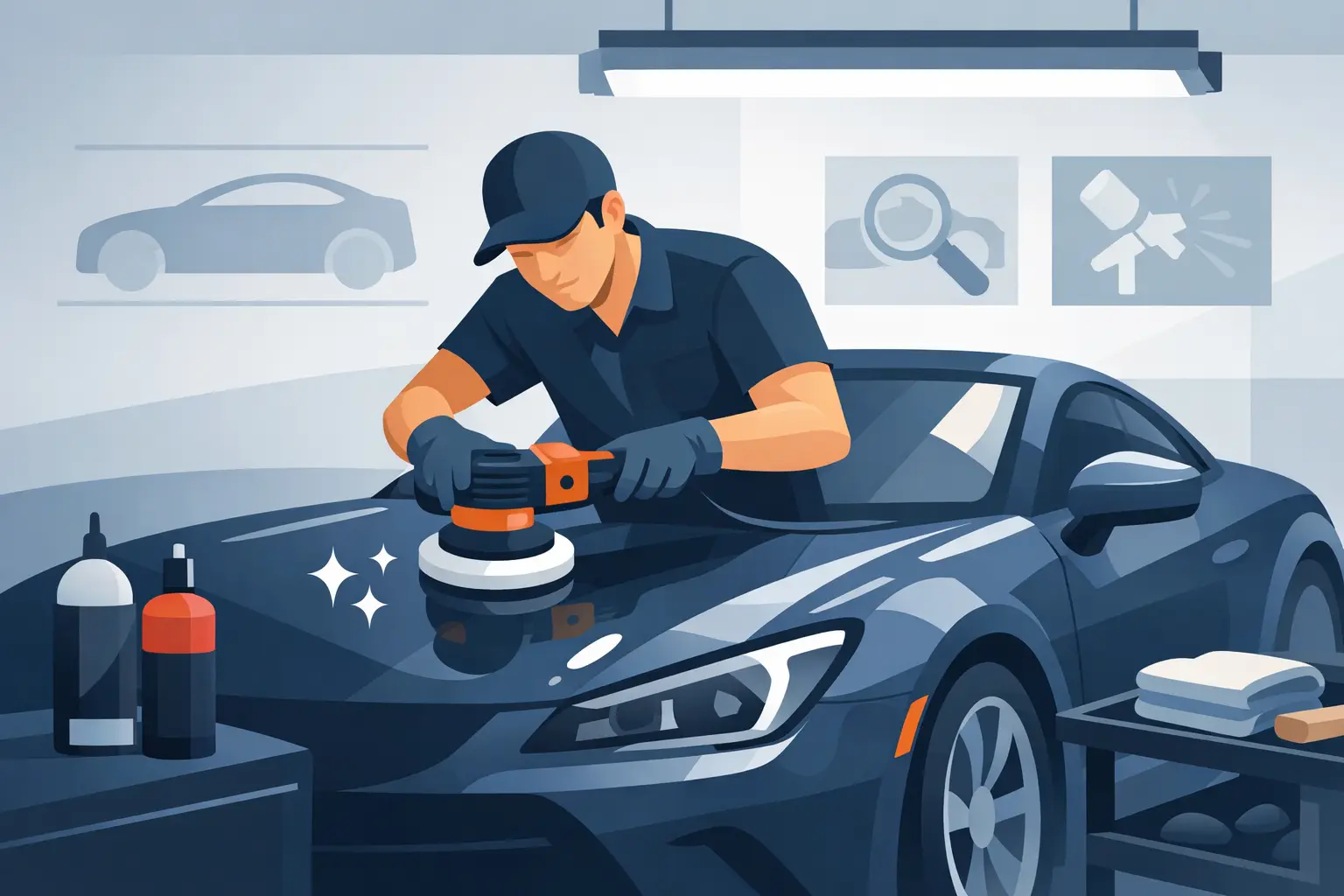
A vehicle can look clean from ten feet away and still have a finish full of defects. Under direct light, the truth shows up fast – swirl marks, wash marring, oxidation, haze, random deeper scratches, and the dullness that slowly steals depth from the paint. That is where an automotive paint correction specialist earns their value. This is not a quick buffing service or a cosmetic shortcut. It is a measured process built to restore clarity, gloss, and finish quality while preserving as much healthy paint as possible.
For owners who care about the way their car, truck, SUV, RV, trailer, or boat presents, paint correction is often the dividing line between a vehicle that looks used and one that looks properly cared for. The difference is especially noticeable on black paint, dark colors, and larger surfaces that reflect every flaw. But even lighter colors benefit when the paint is leveled correctly and refined with discipline.
What an automotive paint correction specialist actually does
At the surface level, paint correction sounds simple. Remove defects, improve gloss, and refine the finish. In practice, it requires judgment at every step.
A true automotive paint correction specialist starts by inspecting the condition of the paint, not by reaching for a machine polisher. That means identifying the type and severity of defects, checking how the vehicle has been maintained, and deciding what level of correction is realistic and safe. Some paint systems are softer and mark easily. Others are harder and require a more aggressive approach to achieve meaningful improvement. Previous body work, thin areas, repainted panels, and edges all change the strategy.
Correction itself is the controlled removal or reduction of defects within the clear coat or top layer of the finish. The goal is not simply to make the surface shiny for a few days. The goal is to improve the actual condition of the paint. That usually involves a combination of compounding and polishing to level marring, refine the surface, and restore clean, sharp reflections.
Done properly, this work is highly technical. Pad choice, machine movement, polish selection, pressure, heat management, and lighting all matter. So does restraint. A skilled specialist knows when to keep correcting and when to stop. Chasing every last defect is not always the right call if it means unnecessary clear coat removal.
Paint correction is not the same as a basic polish
This is where many owners get mixed signals. A dealership, car wash, or volume detail shop may use terms like polish, buff, or paint enhancement interchangeably. They are not the same thing.
A basic polish may temporarily improve gloss and hide minor defects, especially if it uses fillers. A paint enhancement can brighten the finish and reduce light marring, but it may not address deeper defects in a meaningful way. Paint correction is more exacting. It is based on defect removal or measurable defect reduction, not masking.
That difference matters because the finish tells the truth once the oils are stripped away and the vehicle is exposed to proper lighting. A well-corrected surface looks better because it is better. Reflections are sharper. Metallic paint has more definition. Dark colors gain depth. The finish feels cleaner, looks flatter, and responds better to long-term protection such as ceramic coatings.
Why process matters more than product claims
There is no shortage of products that promise dramatic gloss. Product quality matters, but process matters more.
The best correction work starts long before machine polishing. The vehicle needs to be washed correctly, chemically decontaminated, and mechanically decontaminated as needed to remove bonded contaminants. If that prep is rushed, contamination can interfere with polishing performance and add new marring during the process.
From there, testing becomes critical. A reputable specialist does not assume the entire vehicle needs the same approach. A test section reveals how the paint responds, what combination delivers the best balance of cut and finish, and whether the client should expect a one-step improvement or a more intensive multi-stage correction.
Lighting is another major separator. Paint can look excellent in soft shop lighting and very different under focused inspection lights or sunlight. A correction specialist uses multiple light sources to verify results, catch haze, and make sure the finish is truly refined rather than just temporarily glossy.
Finally, protection needs to be part of the plan. Once defects are corrected, the surface should be preserved. That may mean a ceramic coating, a professional sealant, or another protection system chosen based on the owner’s goals, maintenance habits, and how the vehicle is used.
When an automotive paint correction specialist is worth hiring
Not every vehicle needs a major correction package. Sometimes a newer vehicle only needs a light refinement to remove dealership prep damage or wash-induced marring before protection is applied. In other cases, an older vehicle may need significant defect removal to bring back depth and uniformity.
An automotive paint correction specialist is especially worth hiring when the vehicle has visible swirl marks, inconsistent gloss, oxidation, water spot etching, or years of improper washing damage. It also makes sense before ceramic coating installation. Applying a coating over uncorrected paint locks in the defects you can already see. Protection preserves the condition of the surface beneath it. If the paint is flawed, those flaws remain part of the final result.
This work also matters for owners preparing a vehicle for sale, preserving a seasonal car, restoring a classic, or simply taking pride in a truck or SUV they plan to keep for years. The return is not just visual. A properly corrected and protected finish is easier to maintain and far more satisfying to live with.
What results should you realistically expect?
This depends on paint condition, paint thickness, defect depth, and budget. That is the honest answer.
Some vehicles can achieve dramatic improvement with a single-stage correction, especially if the defects are mostly wash marring and light haze. Others need a more involved two-stage process to remove heavier defects and then refine the finish to a high gloss. Deeper scratches, rock chips, and some etched damage may improve without disappearing completely.
A trustworthy specialist sets those expectations early. If a defect can be safely reduced but not fully removed, you should hear that before the work begins. Precision matters here. So does transparency.
That same realism applies to maintenance afterward. Paint correction is not permanent if the vehicle goes right back through tunnel washes and abrasive wash routines. The finish can be preserved, but it needs the right care. Safe washing methods, proper drying, and quality protection all extend the results.
How to choose the right specialist
This is a high-trust service, so the right questions matter.
Look for someone who can clearly explain their process, not just quote a package. Ask how they inspect paint, how they determine the right level of correction, and what protection options they recommend after polishing. Pay attention to whether they talk about preservation as much as appearance. Anyone can promise shine. A true specialist talks about paint health, finish quality, and long-term outcomes.
Certification, training, and product knowledge also matter. So does the quality of prep, the use of controlled curing conditions when coatings are involved, and the willingness to tailor the work to the vehicle rather than forcing every job into the same template. That is where a specialist operation stands apart from quick-turn detailing.
For owners in Grey County and surrounding areas, that distinction is exactly why businesses like Precision Ceramics focus so heavily on disciplined prep, professional-grade protection systems, and finish standards that hold up beyond pickup day.
The real value is in preservation, not just shine
A corrected finish looks impressive right away, but the deeper value is preservation. Vehicles, RVs, trailers, and boats all face wear from UV exposure, washing, road film, environmental fallout, and neglect disguised as convenience. Once the finish degrades far enough, restoration gets more expensive and results become more limited.
Working with a specialist before the damage compounds is usually the smarter move. You protect your investment, improve how the vehicle presents, and create a better foundation for whatever comes next, whether that is ceramic coating, seasonal storage, resale, or simply enjoying a vehicle that looks the way it should every time the light hits it.
If you care about finish quality, the right automotive paint correction specialist is not selling gloss. They are restoring precision to the surface and protecting the value you already own.
Ready When You Are
Protect What You Drive
Ceramic coating, Waxoyl and Woolwax rust protection, and paint correction in Owen Sound. Get a free quote.