Precision Ceramics Blog
How to Choose the Best Auto Paint Correction
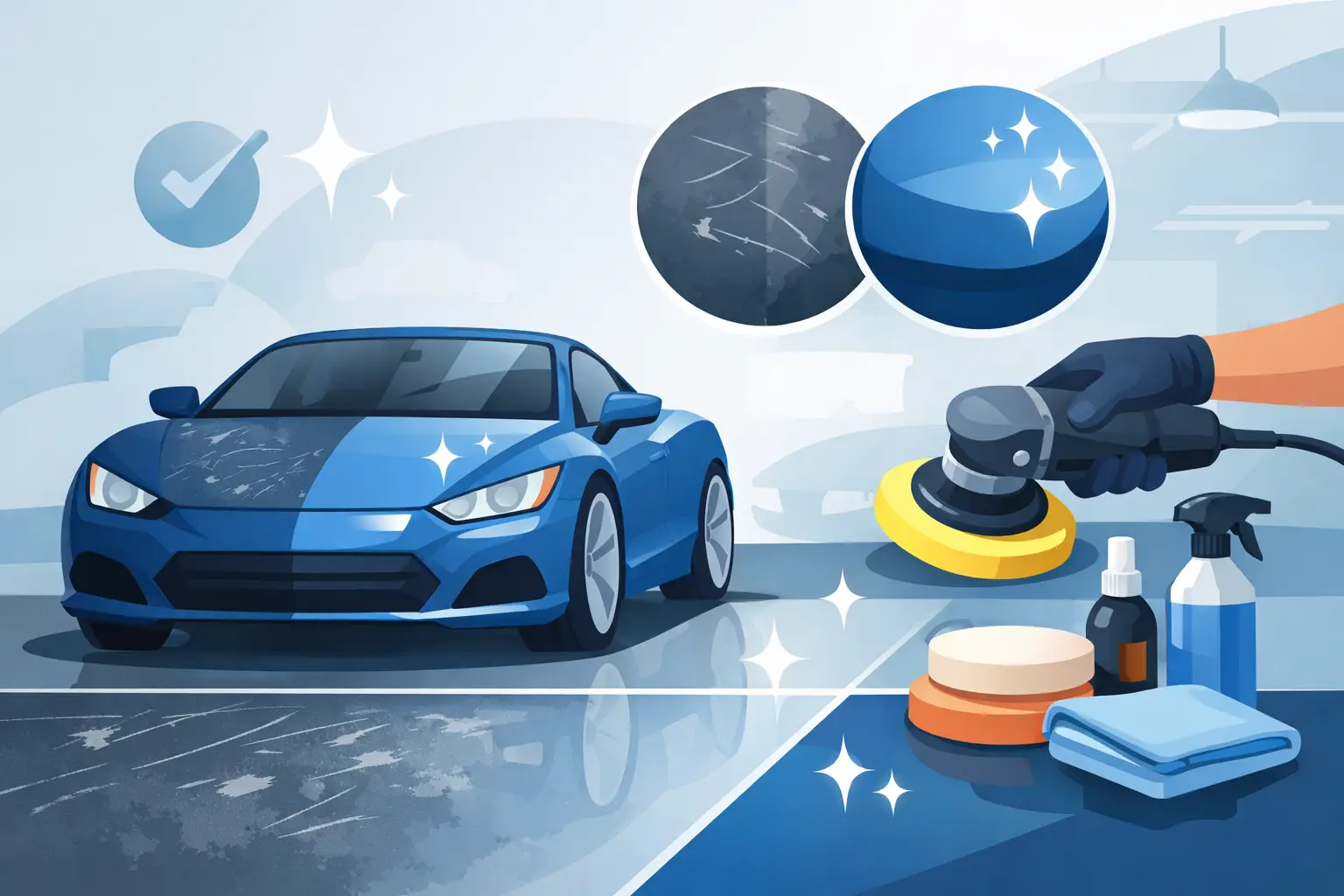
A vehicle can look clean from ten feet away and still have paint that is quietly losing depth, clarity, and value. Swirl marks, wash marring, light scratches, oxidation, and haze flatten the finish long before most owners realize how much gloss has been lost. That is why finding the best auto paint correction is not about chasing a cheap buffing service. It is about choosing a process that restores the finish properly and preserves the paint that is there.
For owners who care about long-term appearance, paint correction sits at the center of real surface improvement. Wax can add temporary shine. Ceramic coating can help protect a finish. But neither one fixes defects already built into the surface. If the paint is scratched, dull, or heavily swirled, correction is the step that changes how the vehicle actually looks.
What the best auto paint correction really means
The phrase gets used loosely, and that creates confusion. Paint correction is not just polishing a vehicle until it looks better in the shade. True correction is the controlled removal or reduction of defects in the clear coat to improve gloss, depth, reflectivity, and finish uniformity.
That matters because not all defects should be approached the same way. Light wash marring may respond well to a refining polish. Deeper random isolated scratches may need a more aggressive cutting step. Oxidized paint on an older truck or SUV often needs a different strategy than softer clear coat on a newer luxury vehicle. The best result comes from matching the process to the paint system, defect level, and owner expectations.
A quality correction service also respects paint thickness. Every polishing step removes material. If a shop promises perfection on every vehicle without discussing limitations, that is usually a red flag. Skilled correction is as much about restraint as it is about transformation.
Why preparation matters more than most owners think
A large share of paint correction quality is decided before the machine polisher even touches the surface. Proper wash methods, chemical decontamination, iron removal, clay treatment when needed, panel inspection, paint depth awareness, and lighting setup all shape the final result.
If prep is rushed, defects can be hidden, dragged across the surface, or misread. That leads to uneven correction, leftover contamination, or fresh marring created during the process itself. For that reason, premium correction work tends to look slower because it is slower. The finish is being evaluated, not simply rushed through a production line.
This is one reason dealership add-ons and discount detail packages often disappoint. They are built for speed, not for measured surface refinement. A vehicle may leave shiny for the day, but under direct sun the swirls, haze, and filler-heavy shortcuts show up quickly.
Best auto paint correction vs. a quick polish
A quick polish has its place. If a daily driver needs a gloss boost before sale or a customer simply wants moderate visual improvement at a lower budget, a one-step polish can make sense. It can remove lighter defects, improve clarity, and leave the paint visibly better than where it started.
But that is not the same as full paint correction. A one-step process usually involves compromise. It aims for broad improvement, not maximum defect removal. On harder paints, it may leave deeper imperfections behind. On softer paints, it may improve gloss substantially but still require extra refinement for a truly crisp finish.
The best auto paint correction service should explain that difference clearly. Not every vehicle needs a multi-stage correction, and not every owner wants to pay for one. Good shops do not oversell perfection. They define realistic outcomes, explain trade-offs, and build the service around the condition of the vehicle.
What to look for in a paint correction specialist
Skill matters, but so does process discipline. A real correction specialist should be able to explain how they inspect paint, how they choose pads and compounds, how they verify results under proper lighting, and how they tailor correction to the vehicle rather than applying the same approach to everything.
You should also expect honest language about defects that may remain. Some scratches are too deep to remove safely. Some panels may have been repainted poorly in the past. Some older finishes are simply too thin or too compromised for aggressive correction. Transparency here is not weakness. It is professionalism.
Certifications and product knowledge add another layer of confidence, especially when correction is being paired with ceramic coating or long-term protection services. In a premium environment, the finish should not just look better when it leaves. It should be prepared properly for what comes next.
At Precision Ceramics, that kind of correction-first mindset is central to surface protection work. If a finish is not properly refined before coating, the coating only locks in what is already there.
One-step, two-step, or multi-step correction?
This is where the answer becomes, it depends. A newer vehicle with dealer-installed wash damage may respond beautifully to a one-step enhancement. An enthusiast car with years of tunnel wash swirls and water spot etching may need a two-step correction to reach the level the owner expects. A neglected black truck, older RV, or heavily oxidized boat surface may call for a more involved approach with testing and staged refinement.
A one-step correction is usually best for owners who want a strong improvement in gloss and defect removal without chasing near-perfection. A two-step correction usually adds a dedicated cutting stage followed by a refining stage, which improves depth and clarity more dramatically. Multi-step work is reserved for finishes where the paint condition, color, and owner goals justify the added labor.
The key is not choosing the most aggressive package. It is choosing the right one. Over-correcting paint for the sake of a sales upgrade is poor practice. Under-correcting a high-value vehicle before protection is just as disappointing.
Why lighting, paint type, and color change the outcome
Paint correction is not one-size-fits-all because paint itself is not one-size-fits-all. Hard clear coats often need more cut to remove visible defects. Softer paints may correct faster but can also haze more easily and require careful finishing. Dark colors reveal every missed step, while lighter colors can hide smaller defects but still lose gloss when the surface is not leveled properly.
Lighting also changes everything. A vehicle that looks flawless under shop fluorescents may tell a different story in sunlight or focused inspection lighting. That is why serious correction work relies on multiple forms of inspection. You do not want a finish that only looks good in one environment.
For owners of black vehicles, dark blue paint, or deep metallic finishes, this point matters even more. These colors reward proper correction in a way few other upgrades can. When the paint is leveled and refined correctly, the difference is immediate and substantial.
The connection between paint correction and ceramic coating
A lot of vehicle owners assume ceramic coating will cover imperfections. It will not. Coatings add protection, chemical resistance, easier maintenance, and a sharper visual presentation, but they do not remove swirls or scratches. If anything, they can make existing defects more noticeable by increasing reflectivity.
That is why the best coating results almost always begin with correction. Even a newer vehicle usually needs some level of paint preparation. Transport marks, dealer prep damage, and wash-induced marring are extremely common, even on low-mile vehicles.
If you are investing in a coating, this is not the place to cut corners. Correct first, then protect. That order matters.
How to judge value, not just price
Paint correction pricing varies widely, and for good reason. Vehicle size, paint condition, hardness, defect level, time required, and expected finish quality all affect labor. A compact car with mild swirls is a different project than a full-size truck, black SUV, or older RV with widespread oxidation.
The cheapest quote is usually cheap for a reason. Either prep is limited, correction stages are reduced, inspection is rushed, or fillers are used to mask what was not actually corrected. A higher-quality service may cost more up front, but the visual result is more honest and the paint preservation strategy is usually better.
Ask what level of correction is being targeted. Ask how the finish is inspected. Ask what protection is recommended after correction. Those answers will tell you more than a flat price ever will.
When paint correction is worth it
If your vehicle still has solid paint but looks tired, correction is often one of the highest-impact services you can invest in. It is especially worthwhile before ceramic coating, before resale photography, after years of improper washing, or when you want to bring back the look that made you love the vehicle in the first place.
For older vehicles, correction can bridge the gap between worn and well-kept. For newer ones, it can remove early defects before they become the standard appearance of the finish. For trucks, SUVs, boats, RVs, and trailers exposed to harsher environments, it is also part appearance and part preservation.
The best auto paint correction is not the most aggressive service or the lowest price. It is the one built around inspection, skill, restraint, and a clear understanding of what your paint can safely achieve. When that process is done properly, the result is not fake gloss or temporary shine. It is a finish that looks sharper, cleaner, and more valuable every time the light hits it.
If you are deciding whether your paint needs correction, the right starting point is simple – look at it in direct sun, ask honest questions, and choose the shop that treats your finish like something worth preserving.
Ready When You Are
Protect What You Drive
Ceramic coating, Waxoyl and Woolwax rust protection, and paint correction in Owen Sound. Get a free quote.