
Precision Ceramics Blog
Can Rustproofing Stop Existing Corrosion?
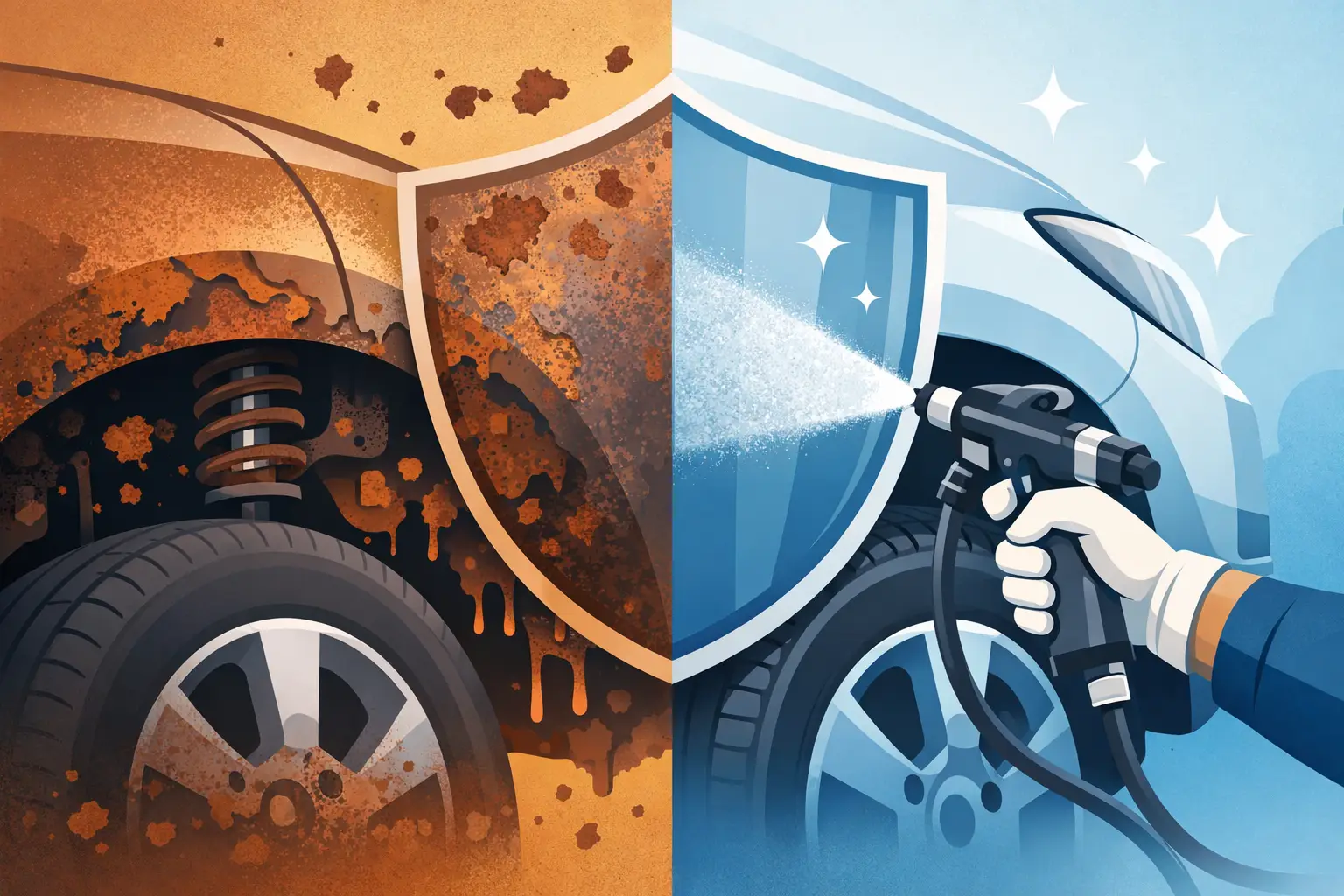
You spot rust on a rocker panel, trailer frame, or underbody seam and the question comes fast – can rustproofing stop existing corrosion? The honest answer is no, not in the way many people hope. Rustproofing does not reverse corrosion or rebuild metal that has already been consumed. What it can do, when the surface is assessed and prepared properly, is slow the corrosion process, protect surrounding metal, and help keep minor rust from accelerating.
That distinction matters. A lot of disappointment around rustproofing comes from treating it like a cure instead of a control measure. If the corrosion is light and the product is applied correctly, the result can be very worthwhile. If the rust is already advanced, flaky, or hiding inside seams and layered steel, rustproofing alone is not enough.
Can rustproofing stop existing corrosion or just slow it?
In most real-world cases, rustproofing slows existing corrosion rather than stopping it completely. Corrosion is an active chemical process. Once moisture, oxygen, and bare steel are involved, the reaction continues unless the affected material is removed, stabilized, or isolated well enough to drastically reduce exposure.
This is why product choice and prep are everything. Oil-based rustproofing products such as Waxoyl and Woolwax are designed to creep into seams, displace moisture, and leave a protective film over vulnerable metal. That film helps interrupt the conditions rust needs to spread quickly. On a clean or lightly oxidized surface, that can make a significant difference. On heavy scale rust, perforated metal, or rust trapped between overlapping panels, the improvement is more limited.
Think of it this way: if the metal is still structurally sound, rustproofing can help preserve what remains. If the metal is already compromised, preservation turns into repair territory.
What rustproofing can realistically do
The best rustproofing work is not based on promises. It is based on realistic expectations and disciplined application.
When corrosion is still in the early stages, rustproofing can coat exposed metal, creep into pinch welds and seams, and create a barrier against water, road salt, and oxygen. That is especially valuable in trucks, SUVs, trailers, and daily drivers that see winter roads, wet gravel, launch ramps, or seasonal storage.
It can also protect adjacent areas that have not started rusting yet. That often gets overlooked. A vehicle may only show visible corrosion in one section, but the conditions that caused it usually exist elsewhere underneath. Treating the full underbody and cavities can keep one rusty spot from becoming ten.
On RVs, trailers, and marine equipment, this matters even more because the exposure pattern is different. Frames, mounting points, crossmembers, brake and suspension hardware, and hidden channels often collect moisture long before the owner sees any visible sign.
When rustproofing will not be enough
There are clear cases where rustproofing is not the right standalone answer.
If rust has swollen under paint, lifted seams apart, created heavy flaking scale, or eaten through metal, the corrosion has already moved beyond surface protection. In those cases, the proper path usually involves mechanical removal, rust conversion where appropriate, refinishing, panel repair, or replacement.
The same is true for enclosed areas holding packed debris or wet contamination. If mud, salt, and organic material are trapped inside a frame rail or body cavity, spraying over the problem does not solve the source. It may help temporarily, but it does not equal a clean, stable foundation.
This is one reason dealership-style add-on rustproofing often disappoints owners. A product by itself is never the whole story. Surface condition, access, dry time, coverage, and follow-up matter just as much as the material being sprayed.
Can rustproofing stop existing corrosion if the rust is light?
If the corrosion is light, surface-level, and the metal is still solid, rustproofing can be very effective at slowing progression. That is the sweet spot.
Light corrosion usually looks like surface staining, early oxidation on brackets or seams, or small areas where factory coating has thinned and the steel has just begun reacting. In that stage, a professional service can clean the area as needed, inspect for weak points, and apply a creeping rust inhibitor that reaches places rigid coatings often miss.
This is where process discipline matters. Applying a quality rustproofing product over a wet, dirty, or unstable surface reduces performance. Applying it after careful inspection and prep gives it a much better chance of protecting the metal that is still there.
For owners trying to preserve an older truck or trailer, this can be the difference between manageable aging and a sharp decline over the next few winters.
Why prep matters more than marketing
Many owners ask which product is best. That is a fair question, but it is usually the second question. The first should be: what condition is the metal in before the product goes on?
A professional rustproofing service should look for active moisture, packed road debris, existing undercoating failures, surface scale, seam contamination, and access to cavities. Some vehicles need a straightforward treatment. Others need more preparation to avoid locking in problems.
Oil-based products have a real advantage here because they stay flexible and self-healing to a degree. They can creep into joints and continue migrating after application. Hard coatings can be useful in certain contexts, but when they are applied over unstable rust or compromised surfaces, they can trap corrosion underneath and hide it until the damage is worse.
That is why meticulous shops put so much emphasis on inspection, access, and application pattern. Good rustproofing is not just spraying the visible underside and calling it done.
What vehicle owners should expect after treatment
A good rustproofing service should make corrosion easier to manage, not invisible forever.
If you already have some rust, expect the treated area to remain a maintenance item. The goal is to slow the rate of spread, reduce ongoing exposure, and buy time for the metal. That may mean annual inspections, touch-ups in high-wash areas, and a realistic conversation about whether certain sections need eventual repair.
For newer vehicles, rustproofing is much more preventive than corrective. Starting early almost always produces the best long-term result because the protective film is defending clean metal rather than trying to preserve partially damaged metal.
For older vehicles, success depends on condition. Some respond very well and gain years of usable life with steady maintenance. Others are already deep enough into corrosion that rustproofing serves more as damage control.
The best time to rustproof is earlier than most people think
Owners often wait until they can see rust, but by then corrosion may already be active in places they cannot see. Inside doors, inside frame rails, around spot welds, and behind wheel arch liners, moisture can sit long before it shows on the surface.
That is why early protection matters so much in climates with road salt, humidity, freeze-thaw cycles, and wet shoulder driving. In areas around Owen Sound and throughout Grey County, that pattern is familiar. Trucks, SUVs, work trailers, and seasonal vehicles can all look solid up top while corrosion is quietly building underneath.
For people planning to keep their vehicle, trailer, RV, or boat long term, rustproofing is not about cosmetics alone. It protects resale, serviceability, and structural life.
So, is rustproofing worth it on a rusty vehicle?
Often yes, but only when the expectations are honest.
If the corrosion is still moderate and the structure remains sound, rustproofing can absolutely be worth the investment. It may not erase what is there, but it can slow the damage, protect surrounding metal, and extend the life of the asset in a meaningful way. If the rust is severe, the value of rustproofing depends on whether it is part of a bigger repair and preservation plan.
That is the practical answer behind the question can rustproofing stop existing corrosion. It is not a cure. It is a strategy. Done properly, with the right products and a careful process, it can help you hold the line against further damage and preserve vehicles that still have a lot of life left in them.
The smartest move is not chasing a miracle claim. It is getting a clear assessment, addressing what can be stabilized, and protecting the metal that is still worth saving.
Ready When You Are
Protect What You Drive
Ceramic coating, Waxoyl and Woolwax rust protection, and paint correction in Owen Sound. Get a free quote.