Precision Ceramics Blog
Car Paint Correction Guide for Real Results
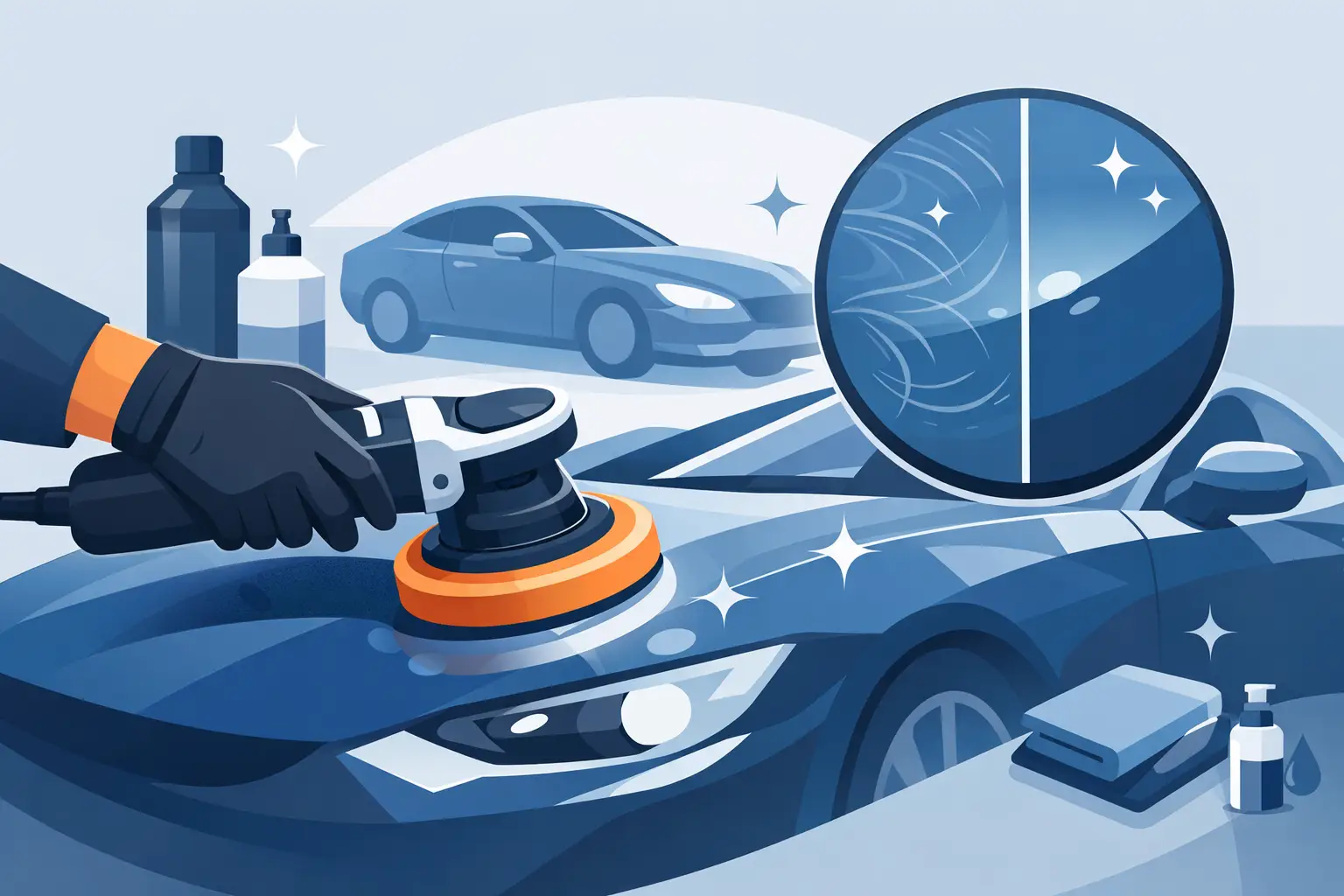
That gray haze you notice in direct sun is usually not age alone. It is often a buildup of wash marring, light scratches, oxidation, water spot etching, and poor polishing work stacked over time. A proper car paint correction guide starts there – not with product hype, but with an honest look at what is actually happening in the paint.
Paint correction is the controlled process of leveling defects in the clear coat to improve gloss, depth, and clarity. It is not a cover-up. It is not the same as a wax or glaze that temporarily masks swirls. When correction is done properly, the improvement is real because the surface itself has been refined.
For owners who care about preserving a truck, SUV, performance car, RV, trailer, or boat, that distinction matters. The goal is not simply to make paint look shiny for a week. The goal is to restore the finish in a measured way while protecting the long-term health of the surface.
What paint correction actually fixes
Most of the defects people want removed sit in the upper portion of the clear coat. These include swirl marks from improper washing, random isolated scratches, towel marring, oxidation, dullness, and some mineral staining. On darker paint, these issues stand out dramatically because the light reflects unevenly off the damaged surface.
Correction can also improve hazing left behind by rushed machine polishing. This is more common than many owners realize. A vehicle can look decent in shade and still show heavy buffer trails or micro-marring under proper lighting. Good correction work is as much about inspection as it is about polishing.
What it cannot do is just as important. If a scratch has gone through the clear coat, polishing will not make it disappear. If paint is failing, peeling, or severely compromised, correction has limits. Stone chips, deep gouges, and clear coat delamination call for touch-up, refinishing, or a broader restoration plan.
A car paint correction guide should start with paint thickness
Every correction removes a small amount of material. That is why experienced technicians approach polishing with discipline rather than aggression. The best result is not the most cut possible. It is the most improvement achieved while preserving as much healthy clear coat as possible.
This is where paint readings, visual inspection, and test spots matter. Factory paint varies. Repainted panels vary even more. Hard clear coats, soft clear coats, older finishes, and neglected surfaces all respond differently. A one-step correction that works beautifully on one vehicle may leave too many defects on another. A two-step process may be worth it on a black truck with severe wash damage, while a newer vehicle may only need a refining polish to sharpen gloss before ceramic coating.
There is no honest fixed formula. The right approach depends on defect depth, paint condition, owner expectations, and how much correction the surface can safely support.
The preparation stage decides the final result
Before a machine ever touches the paint, the surface has to be properly cleaned and decontaminated. That means removing bonded contaminants, road film, iron fallout, and anything else that would interfere with polishing or get dragged across the finish.
Skipping this stage is how extra marring gets introduced. It is also how polishing pads load up too quickly and correction becomes inconsistent. Professional-level results come from process control. Clean paint, proper lighting, measured pad and polish combinations, and careful wipe-downs are what separate a true correction from a quick gloss-up.
On RVs, trailers, and marine surfaces, preparation becomes even more important because oxidation, contamination, and environmental buildup are often more severe. Larger panels also make inconsistency easier to spot, so uniformity matters just as much as defect removal.
One-step vs two-step correction
A one-step correction combines defect removal and gloss enhancement in a single polishing stage. It is often the right choice for newer vehicles, daily drivers, and owners who want a meaningful upgrade without chasing near-perfection. A strong one-step can dramatically improve gloss and clarity while reducing visible swirls and light defects.
A two-step correction uses a more aggressive initial stage to remove heavier defects, followed by a refining stage to maximize clarity and finish quality. This is usually the better route when paint has deeper swirling, oxidation, or visible haze that a single polish will not properly resolve.
Neither option is automatically better. The better option is the one that matches the condition of the paint and the standard the owner wants to achieve. Chasing 95 percent defect removal on thin or fragile paint is not always smart. Preserving the finish while making a substantial visual improvement often is.
How to judge correction quality
A corrected vehicle should not only look good when it is wet or parked in the shade. It should look clean and consistent in direct sun, under LEDs, and from different angles. True paint correction improves reflection sharpness, color richness, and panel clarity.
A few warning signs suggest the work was rushed. Heavy oils can temporarily hide defects. Fillers can create false gloss. Poor panel wipe-downs can make polishing seem more successful than it really was. And if edges, tight areas, or complex curves are ignored, the finish may look uneven even if the center of the panels appears improved.
Quality correction is visible in the details. Uniform gloss. Reduced haze. Cleaner reflection. Better depth. Fewer defects where defects were safe to remove. The finish should look intentionally refined, not artificially dressed up.
Ceramic coating is not paint correction
This point matters because many owners hear both services together and assume they do the same job. They do not. Paint correction fixes defects. Ceramic coating protects the corrected surface and helps it stay easier to wash and maintain.
If a coating is applied over swirls, those swirls are still there. In fact, they can appear more noticeable because the surface now has more gloss and tighter reflection. That is why correction is often the most important stage before protection is installed.
For newer vehicles, a light polishing stage before coating can make perfect sense. For older or heavily washed vehicles, more involved correction may be the difference between a coated vehicle that looks acceptable and one that truly stands out.
Is DIY correction worth it?
Sometimes, yes. Sometimes, it becomes expensive practice on your own paint.
If you have a small daily driver with moderate defects, decent tools, and patience, you can improve the finish yourself. But good correction takes more than buying a machine polisher and compound. It takes reading paint behavior, understanding pad choice, managing heat, controlling arm speed, checking your work under proper lighting, and knowing when to stop.
The risk is not only failing to remove defects. It is creating haze, striking edges too aggressively, over-polishing thin areas, or leaving the finish looking better in one panel and worse in the next. Dark colors and softer paints reveal those mistakes fast.
For higher-value vehicles, black paint, repainted panels, large RVs, boats, or anything with significant oxidation, professional correction usually makes more sense. The margin for error is smaller, and the difference in finish quality can be dramatic when the work is done with the right equipment and discipline.
How to choose the right correction service
Start with transparency. You want a realistic explanation of what can be improved, what may remain, and why. Be cautious of anyone promising perfection without discussing paint thickness, defect depth, or surface limitations.
You also want a process, not just a package name. Ask how the paint is evaluated, how many polishing stages are likely needed, what type of prep is included, and how the result is verified. Skilled correction work is built on inspection, testing, and refinement.
For owners in areas like Owen Sound and surrounding communities, local conditions also matter. Winter road grime, salt exposure, hard water, and seasonal storage can all affect paint condition over time. A correction plan should reflect how the vehicle is actually used, not just how it looks on delivery day.
A meticulous shop will usually talk about preservation as much as appearance. That is a good sign. At Precision Ceramics, that balance between measurable improvement and long-term finish health is what defines the work.
What happens after correction matters too
Freshly corrected paint needs proper care or the defects return quickly. Poor wash methods can reintroduce swirls in a matter of weeks. Protection helps, but maintenance still matters.
That means careful washing, quality towels, safe drying methods, and realistic expectations. A corrected and protected vehicle will resist contamination better and stay glossier longer, but it is not invincible. Paint is always being exposed to friction, weather, minerals, and road debris.
The value of correction is not that it freezes a finish in time. The value is that it resets the surface properly, so the paint looks its best now and has a stronger starting point for long-term preservation.
If you are weighing whether your vehicle is a candidate, focus less on the label and more on the outcome you want. Better clarity, fewer defects, richer gloss, and a finish that reflects the level of pride you have in what you own – that is where paint correction earns its place.
Ready When You Are
Protect What You Drive
Ceramic coating, Waxoyl and Woolwax rust protection, and paint correction in Owen Sound. Get a free quote.