
Precision Ceramics Blog
Ceramic Coating and Paint Protection Explained
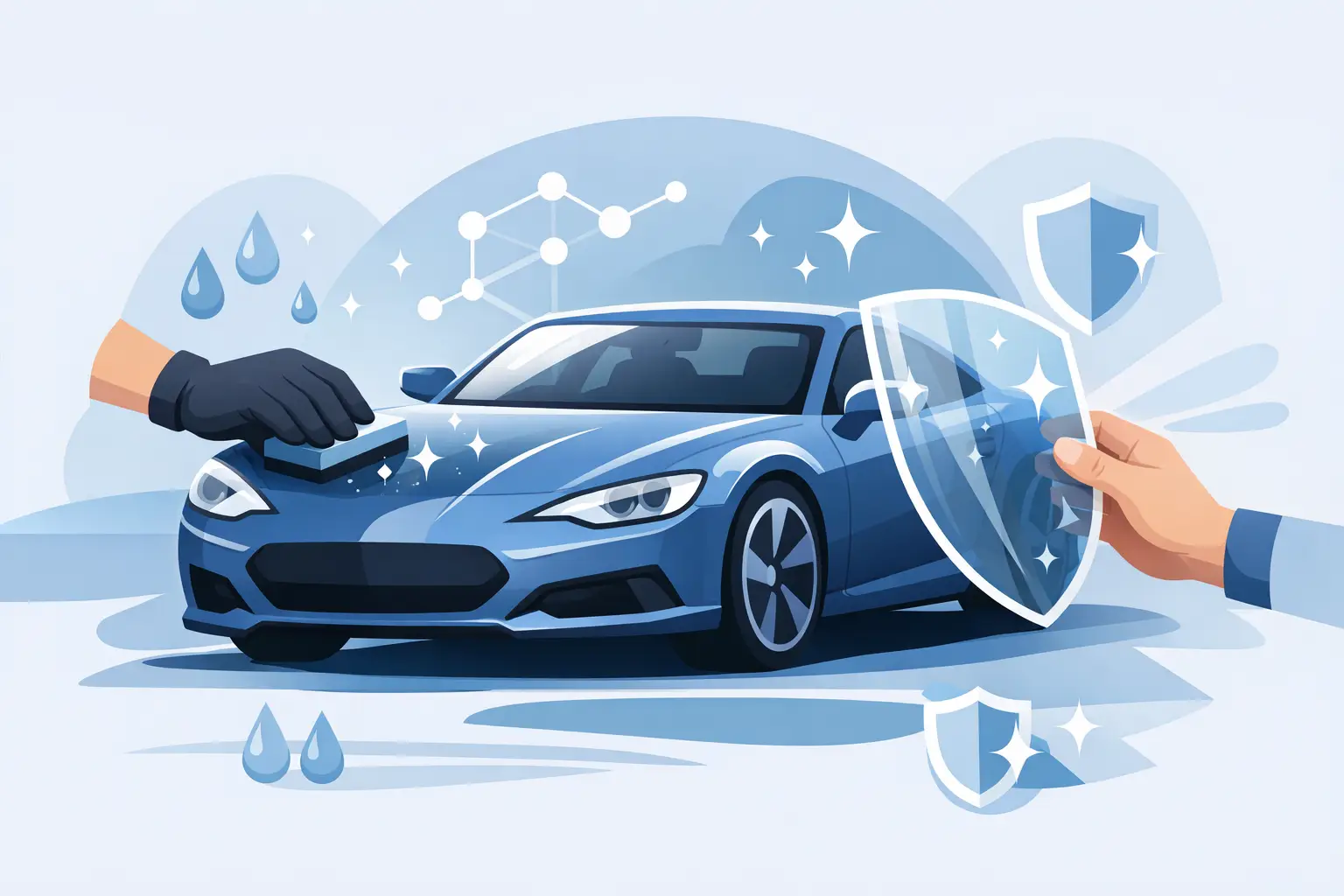
A vehicle can look clean and still have failing paint. That is the part many owners do not see until the sun hits the surface just right – light swirls, water spotting, oxidation, embedded fallout, and dullness that slowly chip away at gloss. That is where ceramic coating and paint protection start to matter. Done properly, they are not cosmetic extras. They are part of a long-term preservation strategy for cars, trucks, SUVs, RVs, trailers, and boats that deserve more than a quick shine.
What ceramic coating and paint protection really mean
Ceramic coating is a liquid-applied protective layer designed to bond to the exterior surface. Once cured, it creates a more resistant, easier-to-maintain finish than unprotected paint. Paint protection is the broader goal behind that process. It includes correcting defects, preparing the surface properly, applying the right product for the asset, and making sure the coating cures in controlled conditions.
That distinction matters. A coating by itself is not a magic fix. If the paint underneath is scratched, oxidized, or contaminated, sealing it in does not improve the finish. It only locks the starting condition under a protective layer. Real protection starts before the bottle is opened.
For newer vehicles, that means preserving a strong finish early before daily wear takes hold. For older vehicles, it often means restoring gloss through correction first, then protecting the improved surface so it stays that way longer.
Why preparation determines the result
In this industry, prep is where quality separates itself. Anyone can sell a coating. Not everyone is willing to spend the time on decontamination, paint evaluation, machine correction, panel wipe, and cure control.
A properly prepared surface allows the coating to bond as intended. That bond affects durability, appearance, water behavior, and how easily the vehicle can be maintained later. Skip steps, rush the wash stage, or apply over uncorrected defects, and the result falls short no matter how strong the product claims sound.
This is one reason dealership packages often disappoint owners who expected more. The promise sounds similar on paper, but process discipline is rarely the same. True ceramic work is labor-intensive. It requires inspection, correction where needed, and controlled application. The finish reflects that effort.
Paint correction before protection
Paint correction removes or reduces visible defects such as swirl marks, haze, oxidation, and light scratching. It is not just about making the vehicle look better for delivery day. It is about creating the best possible surface before protection is installed.
On black paint, this difference is obvious immediately. On lighter colors, it can be more subtle at first glance, but under proper lighting the improvement in clarity and gloss is still substantial. The coating then enhances that refined finish rather than trying to hide problems it cannot actually fix.
What ceramic coating protects against
A quality coating helps resist many of the common issues that wear down automotive and marine finishes over time. Road grime, bug residue, bird droppings, UV exposure, mineral deposits, and repeated washing all take a toll. A coated surface is more resistant to contamination bonding tightly, and it is generally easier to clean without aggressive scrubbing.
That said, resistance is not immunity. Ceramic coating does not make paint bulletproof. It will not stop rock chips. It will not prevent every scratch. It will not make poor wash habits harmless. If someone uses dirty brushes, automatic wash tunnels, or harsh chemicals regularly, the finish can still be damaged.
The real value is that the surface has a stronger sacrificial layer and better chemical resistance than bare paint alone. For owners who want to preserve gloss, reduce maintenance difficulty, and keep their investment in better condition over time, that matters.
Ceramic coating vs wax and sealants
Wax still has a place, but it is not the same category of protection. Traditional wax offers warmth and gloss, but its durability is limited. In real-world conditions, especially with daily drivers, weather exposure, road salt, and frequent washing, wax fades quickly.
Synthetic sealants last longer than wax in many cases, but they still do not deliver the same level of durability, chemical resistance, or long-term performance as a professionally installed ceramic coating. For some owners, a wax or sealant may be enough if they enjoy regular upkeep and do not need extended protection. For many others, especially those protecting a newer truck, SUV, luxury vehicle, boat, RV, or trailer, a coating is the more practical investment.
The right choice depends on how the asset is used, stored, and maintained. A garage-kept weekend car has different needs than a work truck, tow vehicle, or boat exposed to harsher conditions.
Where ceramic coating makes the biggest difference
Ceramic coating pays off most when the owner cares about long-term condition, not just a short-term shine. Daily drivers benefit because washing is easier and contamination is less likely to cling aggressively. Trucks and SUVs benefit because they see heavy road exposure and often carry higher replacement costs. RVs and trailers benefit because large exterior surfaces are hard to maintain once oxidation sets in. Boats benefit because sun, water, and environmental exposure are relentless on gel coat and exterior finishes.
This is also why one-size-fits-all protection packages do not serve every owner equally. Surface type, use case, storage conditions, and maintenance habits all influence what level of correction and coating makes sense.
Protection for more than paint
Paint is usually the first focus, but it should not be the only one. Glass coatings can improve visibility and cleaning. Wheel protection helps because rims deal with brake dust, heat, and road grime constantly. Marine surfaces and gel coat need their own correction and protection strategy. On trucks, RVs, and trailers, corrosion prevention matters as much as exterior gloss.
For owners in regions where moisture, road salt, and seasonal conditions are part of life, protecting exposed metal and underbody areas is not separate from preservation. It is part of the same mindset.
What to expect after installation
A properly coated vehicle looks sharper, but the more meaningful change often shows up in maintenance. Washes take less effort. Drying is easier. The finish stays glossier between cleanings. Contaminants are easier to remove before they etch or stain.
Still, coated vehicles need care. Maintenance washing matters. Safe wash methods matter. Annual inspections can matter depending on product type and exposure. Owners who treat ceramic coating like zero-maintenance armor usually shorten its life and reduce its performance.
Professional installation should come with realistic expectations, not exaggerated promises. The best coating package is the one matched honestly to the surface condition and the owner’s goals.
How to choose the right ceramic coating and paint protection service
Look at the process before you look at the price. Ask whether paint correction is included or recommended based on inspection. Ask how the surface is decontaminated. Ask what kind of curing conditions are used. Ask whether the installer is trained and certified on the products being applied.
These are not small details. They are the reason one coated vehicle still looks exceptional years later while another loses its appeal far too quickly.
At Precision Ceramics, that standard matters because the work is built around preparation, certified product knowledge, and finish quality that holds up in the real world. Owners who value that level of care usually are not shopping for the cheapest option. They are looking for a result they can see and protection they can trust.
The smart way to think about protection
The best time to protect a vehicle is before damage builds up, but the second-best time is after the finish has been corrected properly. Whether you own a new car, a hard-working truck, a boat, or an RV that has started to lose its edge, ceramic coating is most valuable when it is part of a complete preservation process.
Good protection is never just about adding shine. It is about slowing down wear, preserving value, and making sure the finish you enjoy today still looks right months and years from now. If you care about your vehicle like an investment, the right protection should be treated with the same level of precision.
Ready When You Are
Protect What You Drive
Ceramic coating, Waxoyl and Woolwax rust protection, and paint correction in Owen Sound. Get a free quote.