
Precision Ceramics Blog
Dealership Coating vs Professional Ceramic
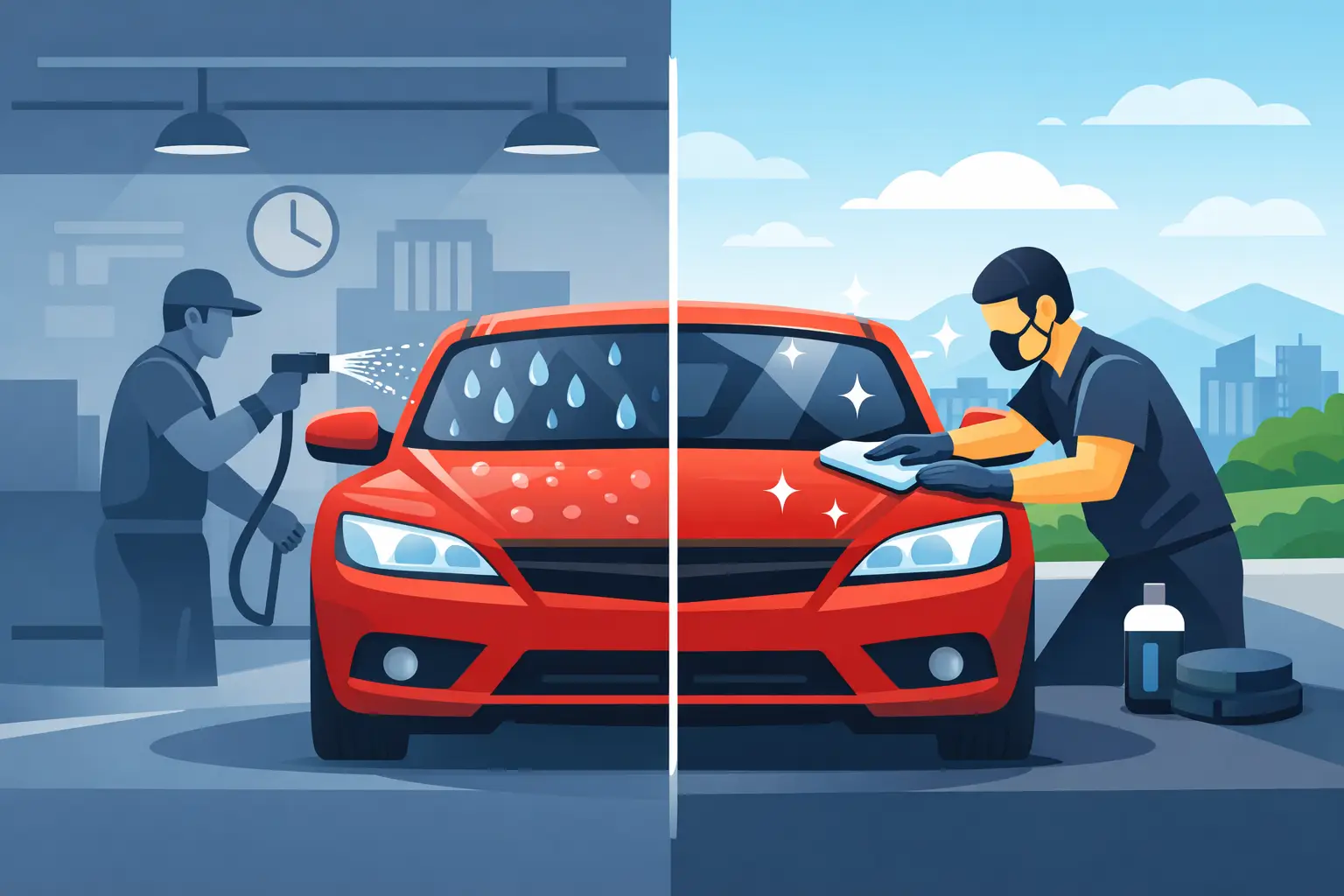
You just bought a vehicle, and before the paperwork is even finished, someone in the finance office offers paint protection. It sounds simple, fast, and smart. But when you compare dealership coating vs professional ceramic, the real difference is not the sales pitch – it is the process behind the result.
That distinction matters more than most buyers realize. A coating is only as good as the surface under it, the product being installed, and the discipline of the installer. If you care about gloss, durability, easier maintenance, and preserving the finish long term, this is where the details start to separate one option from the other.
Dealership coating vs professional ceramic: what is actually different?
On the surface, both options may sound similar. Both are presented as a way to protect paint, improve shine, and reduce upkeep. But they are rarely built the same way.
A dealership coating is often sold as an add-on package tied to the vehicle purchase. In many cases, the appeal is convenience. The vehicle is already there, the coating can be bundled into financing, and the buyer leaves believing the paint is now protected. The issue is that convenience does not guarantee product quality, proper prep, or a skilled installation environment.
A professional ceramic coating service is usually a dedicated process performed by a specialist whose work revolves around surface correction and protection. That means the vehicle is assessed, washed properly, decontaminated, polished as needed, and coated under controlled conditions. The product itself is often a true professional-grade ceramic rather than a light protectant packaged under broad marketing language.
That is the core difference. One is usually sold as a package. The other is installed as a craft.
Preparation is where the result is won or lost
If there is one part of this decision that deserves more attention, it is prep. Ceramic coatings do not hide defects. They lock in whatever is underneath them. If the paint has haze, wash marring, rail dust, water spotting, or dealership handling marks, those issues remain there after the coating cures.
New vehicles are not automatically flawless. They often arrive with transport film residue, iron contamination, minor scratches, buffer trails, or wash damage from lot prep. That is why professional installers spend so much time on decontamination and paint correction before the coating step ever begins.
This is also where dealership packages often fall short. The vehicle may be coated quickly, sometimes by a staff member handling multiple responsibilities, sometimes with limited correction, and sometimes after the car has already been washed in a less-than-ideal way. The customer hears “ceramic,” but the finish may never have been properly refined first.
At Precision Ceramics, this is exactly why prep standards are treated as non-negotiable. The coating is not the whole job. The surface preparation is the job.
A coating cannot outperform poor paintwork
This is worth saying plainly. If the paint is not cleaned, corrected, and ready, the coating will not deliver the level of gloss or clarity people expect. It may still add some water behavior and some short-term slickness, but it will not create that deep, crisp finish associated with high-end ceramic work.
For owners of trucks, SUVs, boats, trailers, and RVs, the stakes are even higher. Larger surfaces show defects more clearly, and exposure to the elements is more demanding. A rushed installation on a dark truck or black RV sidewall is not hard to spot once the sun hits it.
Product quality is not always equal
Another reason the dealership coating vs professional ceramic comparison matters is that the word ceramic gets used loosely. Some dealership offerings are true coatings. Others are closer to sealants or hybrid protectants marketed with ceramic language because the term sells.
That does not mean every dealership product is poor. Some are decent. But buyers are rarely given enough detail to understand what is actually being applied, how thick it is, how it cures, how long it realistically lasts, or what maintenance it requires.
A professional installer should be able to tell you exactly what product line is being used, whether it is a consumer or professional formula, what the expected durability is under real-world conditions, and what the coating can and cannot do. That level of transparency matters.
Real ceramic protection is not magic. It helps resist environmental fallout, improves cleanability, and supports long-term finish preservation. It does not make paint scratch-proof, chip-proof, or maintenance-free. Anyone selling it that way is selling the fantasy, not the service.
Installation environment matters more than most people think
Ceramic coatings are chemistry-driven products. They need proper temperature, timing, leveling, and cure management. If the environment is dusty, rushed, humid in the wrong way, or inconsistent, the result can suffer.
This is one of the biggest differences between a dedicated coating specialist and a dealership setting. A specialist is generally working with a controlled process designed around coating success. The vehicle is not just being moved through a delivery pipeline. It is being prepared for a finish-critical service.
That matters because high spots, uneven leveling, missed areas, and premature exposure can all affect performance and appearance. When a coating is installed correctly, it should look intentional, refined, and consistent across every panel.
Warranty language deserves a closer look
A dealership may offer an impressive-sounding warranty, but the fine print often matters more than the headline. Some warranties are heavily conditional. Some require annual inspections. Some cover only product failure, not appearance. Some are tied to strict maintenance terms that are not clearly explained during the sale.
A professional ceramic installer should also explain warranty terms clearly, but more importantly, they should explain what supports coating longevity in the real world: proper washing, periodic decontamination, and realistic expectations.
A coating fails early for reasons. Bad prep, weak product selection, poor install conditions, or neglect after delivery all play a role. A long warranty does not automatically mean a better coating.
Cost vs value is not the same calculation
Dealership coating packages can look appealing because they are easy to add into the vehicle purchase. The monthly payment barely moves, so it feels small. But value is not measured by how painless the upsell feels in the moment.
Value comes from finish quality, durability, and whether the work was actually performed to a high standard. A lower-effort coating installed on uncorrected paint may cost less upfront, but it can leave the owner disappointed when the gloss is average and the protection does not perform as expected.
Professional ceramic services often cost more because they include what the buyer cannot see at first glance: careful washing, chemical decontamination, paint inspection, machine polishing where needed, controlled application, and proper cure procedures. That labor is not fluff. It is the reason the end result looks different and lasts differently.
For owners keeping a vehicle long term, especially those protecting higher-value trucks, performance vehicles, boats, or seasonal toys, that difference usually becomes obvious within the first year.
Who should choose a dealership coating?
There are cases where a dealership coating may be good enough. If convenience is the main priority, if the vehicle is a short-term lease, or if the buyer simply wants a basic layer of protection without pursuing the best possible finish, it may serve the purpose.
That is the honest answer. Not every owner needs multi-stage correction and a premium coating package.
But if the goal is to preserve a vehicle properly, maximize gloss, reduce long-term paint deterioration, and know exactly what was applied and how it was installed, professional ceramic is the stronger choice. That is especially true for people who take pride in their vehicles and plan to keep them looking sharp through years of road use, weather exposure, and regular washing.
How to make the right choice before you say yes
Ask a few simple questions. What exact product is being applied? What paint prep is included? Will the vehicle be polished first if needed? Who is installing it? What environment is it installed in? What does the warranty actually cover?
If the answers are vague, bundled, or overly polished without much substance, that tells you something. If the answers are specific, technical, and process-driven, that tells you something too.
The right protection choice should not rely on pressure or timing. It should come down to the quality of the work, the honesty of the explanation, and whether the finish on your vehicle matters enough to do it properly.
A good coating is not just a product on paint. It is the result of preparation, experience, and standards that hold up long after the sales conversation is over.
Ready When You Are
Protect What You Drive
Ceramic coating, Waxoyl and Woolwax rust protection, and paint correction in Owen Sound. Get a free quote.