Precision Ceramics Blog
How to Prepare Paint for Ceramic Coating
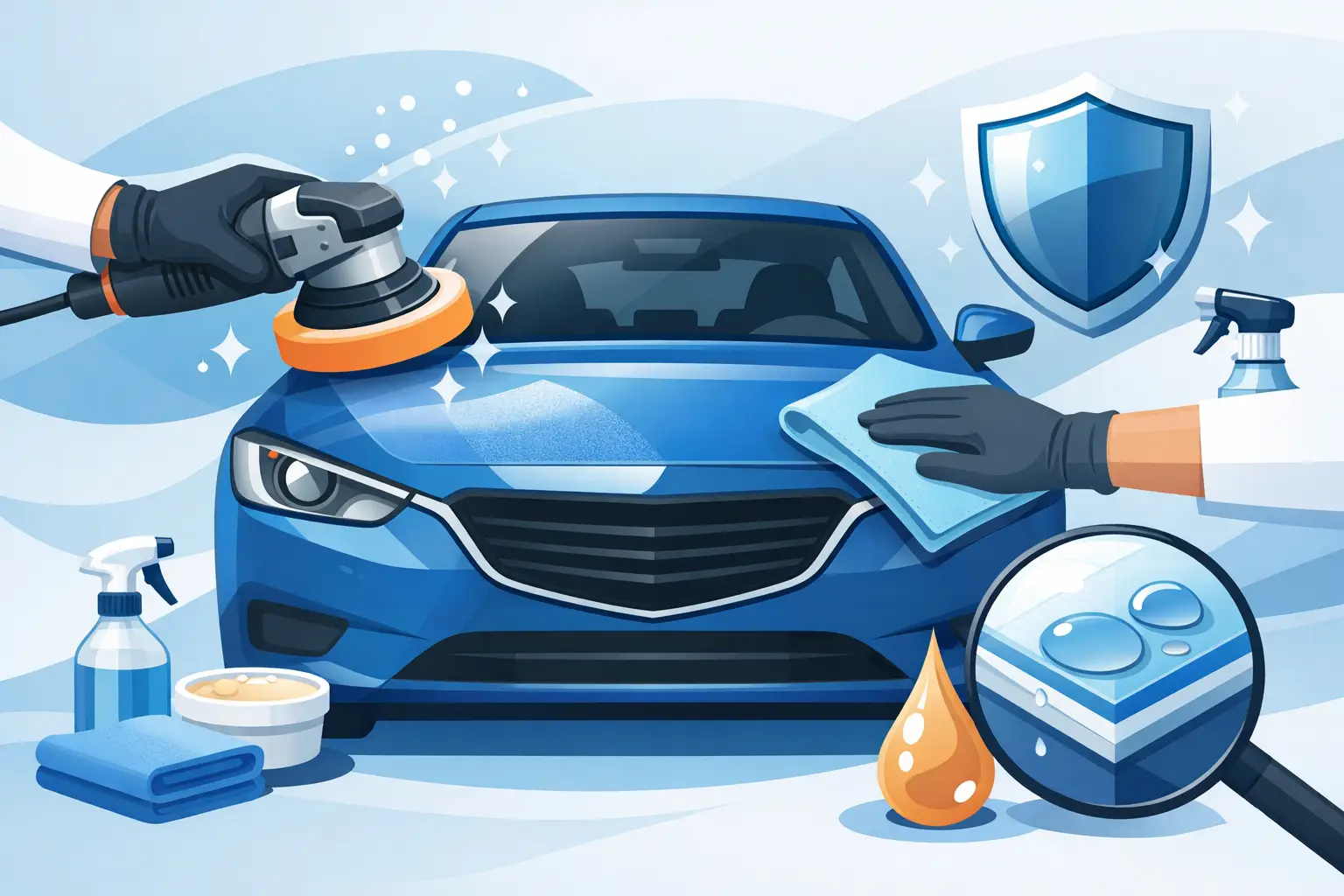
If a ceramic coating fails early, the problem usually starts long before the coating touches the paint. That is why knowing how to prepare paint for ceramic coating matters more than most people realize. The coating itself is only as good as the surface under it. If the paint still holds embedded contamination, polishing oils, oxidation, or unresolved defects, you are not protecting a clean finish – you are sealing in problems.
For owners who care about long-term gloss, easier maintenance, and real durability, prep is the job. The coating is the final step, not the main event. Whether you are protecting a newer truck, reviving an older SUV, or preserving a boat or trailer finish, the same rule applies: surface preparation determines the result.
Why paint prep matters before ceramic coating
Ceramic coatings are designed to bond directly to a clean, stable surface. They do not hide scratches, level orange peel, or fix neglected paint. In fact, they tend to make defects more noticeable because they add clarity and gloss. If the finish is hazy or marred before application, it will often look glossier afterward, but the defects will still be there.
There is also a durability issue. A coating needs proper contact with the paint or gel surface to cure and perform as intended. Waxes, fillers, traffic film, water spots, iron deposits, and polishing residue can all interfere with that bond. That can mean reduced longevity, uneven behavior, high spots, or a finish that never quite looks right in full sun.
This is why professional installers treat prep as a controlled process, not a quick wash and wipe-down. Every step removes a barrier between the coating and the substrate.
How to prepare paint for ceramic coating, step by step
The right process depends on the age and condition of the vehicle. A brand-new vehicle fresh from the dealer may still need decontamination and polishing because transport fallout, wash marring, and adhesive residue are common. An older vehicle may need much more correction before it is ready.
Start with a proper wash
The wash stage should remove loose dirt without adding new scratches. That sounds basic, but it sets the tone for the entire job. If you wash aggressively or use contaminated mitts and towels, you can create fresh marring that then has to be corrected.
A proper pre-rinse and foam soak help loosen heavier grime. After that, a careful hand wash with quality wash media and clean rinse water is the safest path. This is also the time to clean panel edges, badges, trim boundaries, wheel faces, and lower body areas where contamination builds up.
At this stage, the goal is not perfection. The goal is to remove the loose layer of dirt so you can evaluate what is actually bonded to the surface.
Decontaminate the paint
A vehicle can look clean and still feel rough. That roughness usually comes from bonded contaminants such as iron fallout, road film, tree sap, overspray, and industrial residue. If these stay on the surface, the paint is not truly ready for coating.
Chemical decontamination is usually the first part of this step. Iron removers help dissolve embedded brake and rail dust, especially on lower panels and rear surfaces. Depending on the condition, tar removers or other specialty products may also be needed.
Mechanical decontamination often follows. A clay bar or synthetic clay media can remove stubborn bonded contamination that chemicals leave behind. This step needs care because clay can induce marring, especially on softer paints. That is not necessarily a problem if machine polishing is already part of the plan, but it is one more reason prep should be done in the right order.
Inspect the finish under proper lighting
Once the surface is clean and decontaminated, the real condition becomes visible. This is where shop lighting, sunlight, and inspection lights matter. You are looking for swirl marks, random isolated scratches, oxidation, water spot etching, sanding marks, holograms, and previous repair work.
This stage tells you how much correction is appropriate. Not every vehicle needs an aggressive compound. Not every owner wants every last deeper scratch chased. Good prep is not about overworking paint. It is about making smart decisions based on film thickness, defect depth, paint type, and the end goal.
Paint correction is often the missing step
When people ask how to prepare paint for ceramic coating, they often think of washing and decontamination. That is only part of the answer. In many cases, paint correction is the step that separates a decent coating job from a premium one.
Ceramic coating locks in the appearance of the surface at the time it is applied. If the paint is heavily swirled, that is what gets preserved. If the paint is refined and leveled properly, that is what gets protected.
One-step vs multi-step correction
A one-step polish is often enough for newer vehicles or finishes with moderate wash marring. It can significantly improve gloss, clarity, and reflectivity while preserving paint thickness. For many daily driven vehicles, this is the best balance of improvement and value.
A multi-step correction is more appropriate when the finish has heavier defects, oxidation, or years of neglect. Compounding removes deeper defects, while a finishing polish refines the surface to maximize gloss. This takes more time and more measurement-based judgment, but the visual improvement can be dramatic.
The trade-off is simple: more correction can produce a more refined finish, but it also requires more labor and careful paint management. On thinner or older finishes, restraint is part of quality workmanship.
Edges, trim, and sensitive surfaces
Proper prep is not just about flat panels. Tight edges, textured trim, piano black pillars, repainted sections, and delicate marine gel surfaces all require a controlled approach. Some areas need to be masked. Some need different pads or machines. Some should be polished lightly or not at all.
That level of discipline is what protects the finish while improving it. Rushing through prep can create burned edges, stained trim, or inconsistent correction from panel to panel.
The final wipe-down before coating
After polishing, the surface may look excellent, but it still is not ready until polishing oils and residue are removed. This is one of the most overlooked parts of ceramic prep.
A proper panel wipe or paint prep solution removes leftover oils, fillers, and residue that can interfere with coating adhesion. Without this step, the paint may appear perfect under shop lights while still carrying a film that compromises bonding.
Technique matters here too. Towels must be clean, paint-safe, and changed often. The wipe-down should be methodical, not rushed. Any missed residue can affect how evenly the coating flashes and cures.
Environment matters more than most owners expect
You can prepare paint correctly and still hurt the result if the coating is applied in poor conditions. Dust, moisture, temperature swings, and direct sun can all complicate installation and curing. Prep and application work best in a controlled environment where the surface can stay clean and stable from final wipe to cure.
This is one of the biggest differences between a professional-grade service and a quick add-on package. Controlled process is not marketing language. It directly affects the final finish, especially on dark paint and high-visibility surfaces.
Common mistakes when preparing paint for ceramic coating
The most common mistake is assuming a fresh-looking vehicle does not need correction. Even new vehicles often arrive with dealer-installed swirls, wash damage, adhesive residue, or rail dust. Another mistake is skipping decontamination and going straight to polish, which can drag contamination across the paint.
Using filler-heavy products before coating is another issue. They can mask defects temporarily, but they do not create a truly clean surface. So does applying a coating immediately after polishing without a proper panel wipe.
There is also the temptation to overcorrect. Chasing every deeper scratch is not always the right move, especially on thinner paint or older vehicles. Good preparation is measured, not aggressive.
When DIY prep makes sense – and when it does not
There is nothing wrong with an owner washing, decontaminating, and maintaining their vehicle carefully. For a well-kept daily driver with minor defects, a knowledgeable DIY approach can work if the right tools, lighting, and patience are there.
But correction and coating prep become more technical when the finish has repainted panels, visible oxidation, heavy swirling, marine exposure, or years of embedded contamination. At that point, product choice is only part of the equation. Paint reading, defect identification, machine control, and environmental control matter just as much.
That is where a specialist earns their value. Precision Ceramics approaches prep with the same seriousness as coating installation because the finish only performs as well as the surface beneath it.
A ceramic coating should make maintenance easier and preserve the look you worked to achieve. If you want that protection to mean something years from now, treat preparation as the foundation, not the extra. The best coating jobs start with paint that is genuinely ready for it.
Ready When You Are
Protect What You Drive
Ceramic coating, Waxoyl and Woolwax rust protection, and paint correction in Owen Sound. Get a free quote.